A complete day-by-day 7-day Tanzania safari itinerary covering the Northern Circuit — Tarangire, Ngorongoro Crater, and Serengeti — with real costs and insider tips.
The Northern Circuit is Tanzania's most iconic safari route, and for good reason. It connects three of Africa's greatest wildlife areas — Tarangire National Park, the Ngorongoro Crater, and the Serengeti — in a single, seamless journey. After designing hundreds of these itineraries, we have refined a 7-day route that maximises wildlife encounters while keeping driving times reasonable.
This is not a hypothetical itinerary. This is the exact route our guests travel, staying at our own Acacia Collections camps, with real pricing you can book today.
Itinerary at a Glance
| Day | Destination | Accommodation | Highlights |
|---|---|---|---|
| Day 1 | Arusha (Arrival) | Acacia Retreat | Airport transfer, briefing, rest |
| Day 2 | Tarangire National Park | Serian Tarangire Camp | Elephants, baobabs, tree-climbing lions |
| Day 3 | Ngorongoro Highlands | Naserian Safari Camp | Maasai village, crater rim views |
| Day 4 | Ngorongoro Crater | The Castle at Ngorongoro | Crater floor game drive, Big Five |
| Day 5 | Central Serengeti | Enkirari Wilderness Camp | Seronera Valley, big cats, river crossings |
| Day 6 | Serengeti (full day) | Enkirari Wilderness Camp | Full-day game drive, optional balloon safari |
| Day 7 | Serengeti to Arusha | — | Morning drive, fly or drive back |
Day 1: Arrival in Arusha — The Safari Capital
Your adventure begins the moment you land at Kilimanjaro International Airport (JRO). Our driver will be waiting with a smile and a cold drink for the 45-minute transfer to Arusha, Tanzania's safari capital nestled at the foot of Mount Meru.
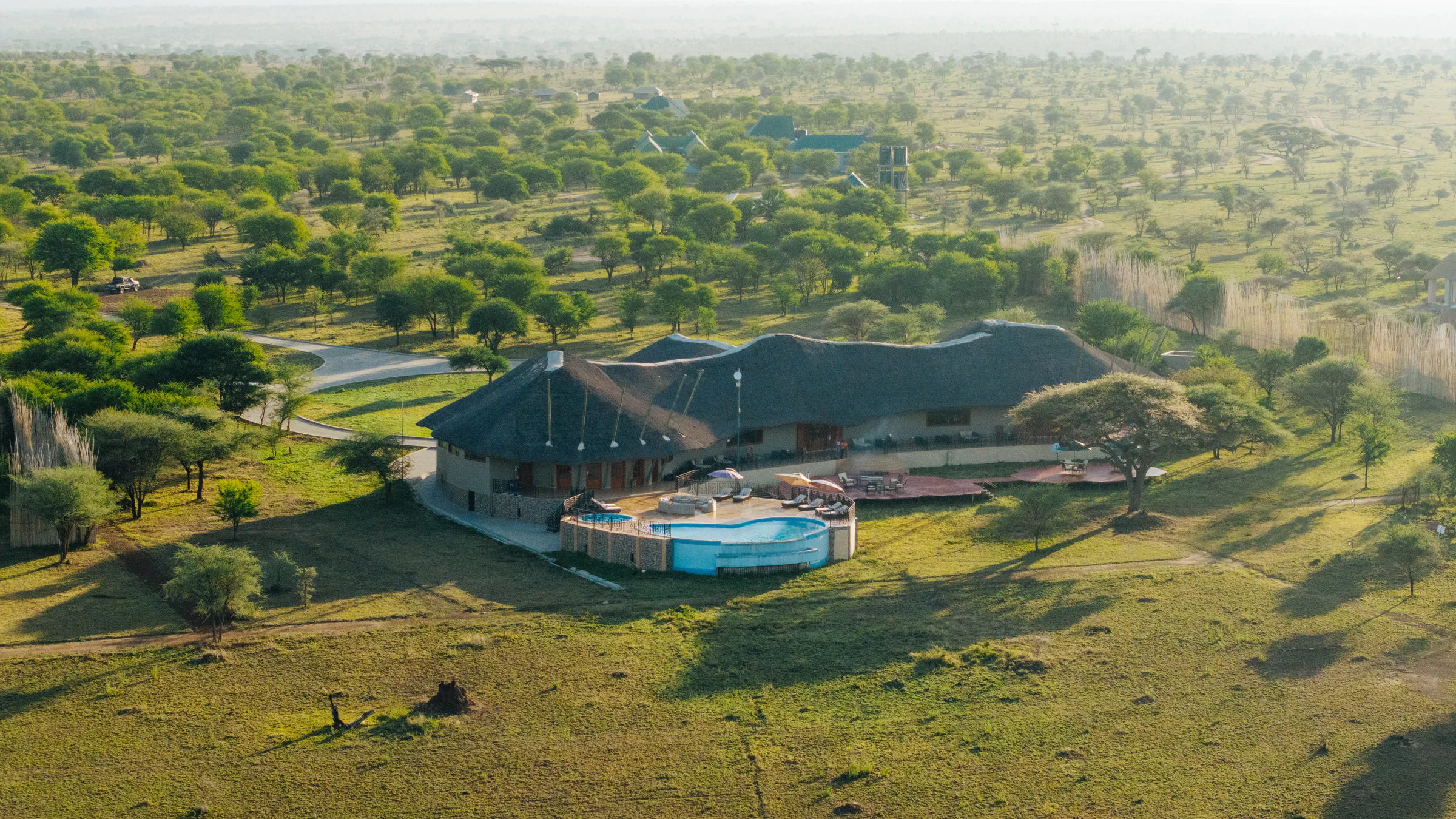
You will spend the night at our Acacia Retreat ($140–$220/night), a tranquil haven in Arusha that is ideal for recovering from your flight. The property features lush gardens, a swimming pool, and a restaurant serving both international and Tanzanian cuisine. In the evening, your safari guide will visit for a briefing, going over the week ahead, answering questions, and tailoring any details to your interests.
If you arrive early enough, consider a half-day visit to Arusha National Park — a small but stunning park where you can see giraffes, colobus monkeys, and flamingos with Mount Meru as a backdrop.
Ready to plan your safari? Get a free quote from our safari experts.
Day 2: Tarangire National Park — Elephant Paradise
After breakfast, you will depart Arusha and drive approximately 2.5 hours to Tarangire National Park. The landscape shifts dramatically as you enter the park — ancient baobab trees tower over golden savannah, and the Tarangire River draws massive herds of elephants, especially in the dry season (June–October).
Tarangire is home to some of the largest elephant herds in East Africa. It is not uncommon to see groups of 50–100 elephants gathered along the riverbanks. The park also boasts tree-climbing lions (a behaviour seen in only a few places in Africa), enormous python populations, and over 550 bird species.
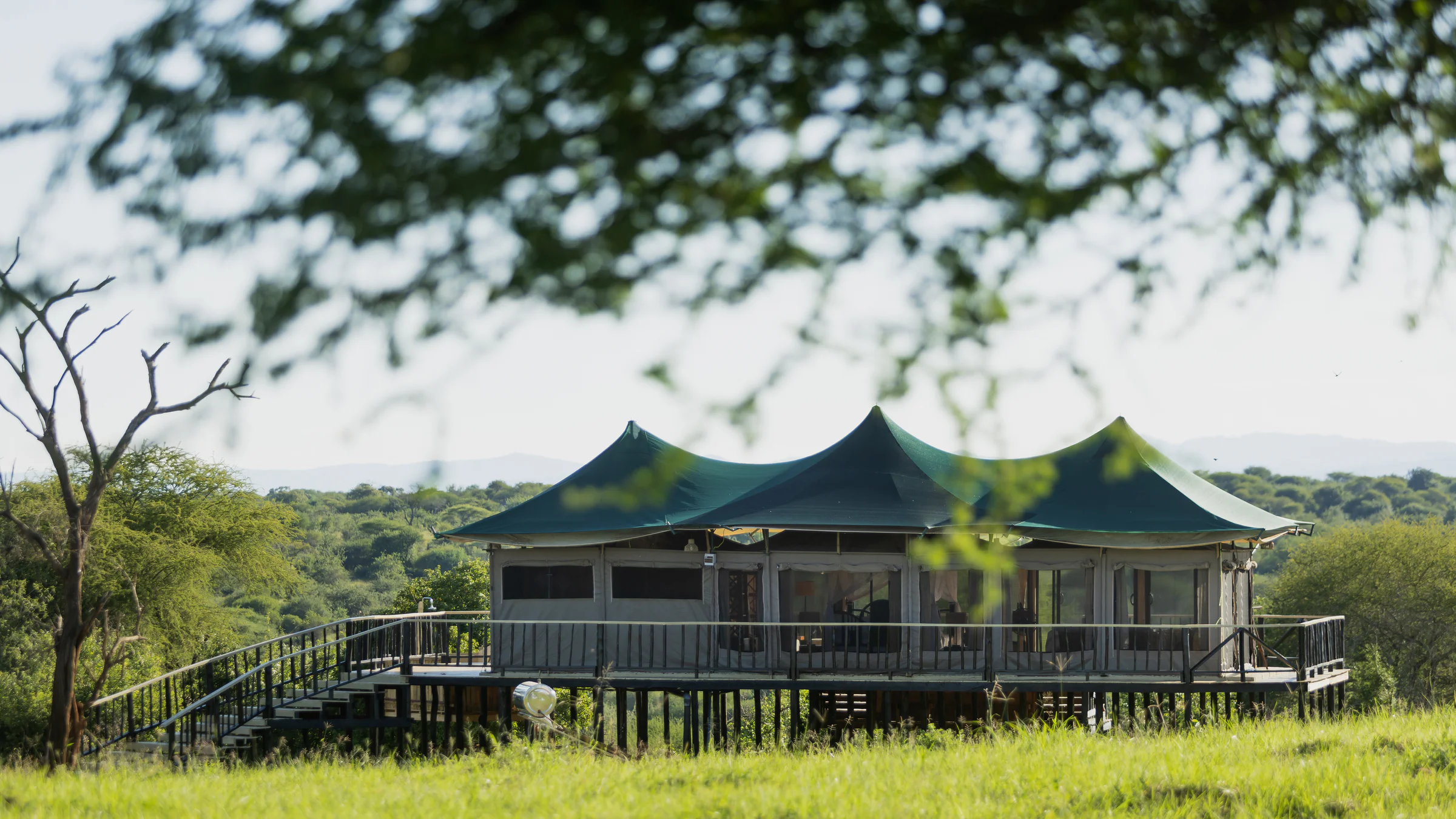
You will spend the night at Serian Tarangire Camp ($221–$443/night), our intimate camp set among the baobabs with views over the Tarangire floodplains. After an afternoon game drive, you will return to camp for sundowners as the sun sets behind the baobabs — one of the most photogenic moments on any safari.
Dinner is served under the stars, and your guide will share stories of the bush while nocturnal sounds fill the air. Many guests tell us this first night in the bush is when the safari truly comes alive for them.
Day 3: Ngorongoro Conservation Area — The Highlands
Today you will drive from Tarangire to the Ngorongoro Conservation Area, a UNESCO World Heritage Site and one of the most remarkable landscapes on Earth. The drive takes around 3–4 hours, passing through Maasai pastoral lands where you may see herds of cattle tended by warriors in traditional red shukas.
En route, we arrange a visit to an authentic Maasai boma (village). This is not a tourist show — our partnerships with local communities ensure genuine cultural exchange. You will learn about Maasai traditions, see their incredible beadwork, and gain insight into a way of life that has endured for centuries alongside the wildlife.
You will spend the afternoon at Naserian Safari Camp ($230–$380/night), perched on the rim of the Ngorongoro Crater with jaw-dropping views of the caldera floor 600 metres below. On clear evenings, you can see the entire crater laid out before you — a natural amphitheatre 20 kilometres wide, home to approximately 25,000 large animals.
The camp itself offers spacious tents with thick duvets (nights at this altitude are chilly), hot water bottles, and hearty meals that warm you up after sunset walks along the crater rim.
Ready to plan your safari? Get a free quote from our safari experts.
Day 4: Ngorongoro Crater — The Eighth Wonder
This is the day many of our guests describe as the single greatest wildlife experience of their lives. After an early breakfast, you will descend 600 metres into the Ngorongoro Crater, the world's largest unbroken volcanic caldera.
The crater floor is a self-contained ecosystem supporting around 25,000 animals in an area of just 260 square kilometres. The density of wildlife is staggering — you will likely see lions, elephants, buffalo, spotted hyenas, zebra, wildebeest, and flamingos all within a few hours. The crater is also one of the best places in Tanzania to spot the critically endangered black rhinoceros, with a small but stable population of around 25–30 individuals.
Our guides know the crater floor intimately. They know which marshes the rhinos favour, where the lion prides rest, and which hippo pools offer the best viewing angles. A typical crater tour lasts 5–6 hours, including a picnic lunch by the Ngoitokitok Springs.
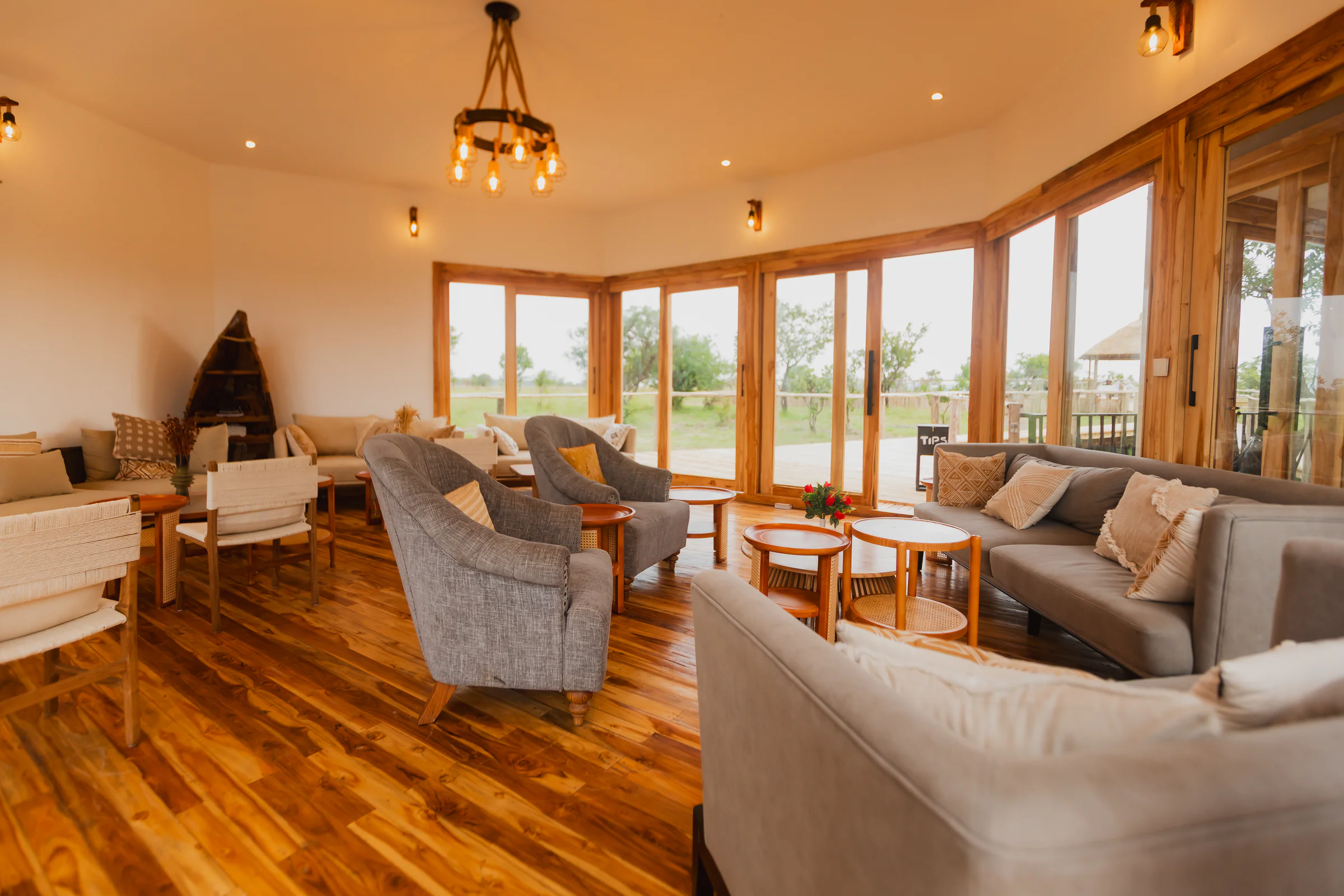
In the afternoon, you will ascend from the crater and transfer to The Castle at Ngorongoro ($290–$480/night), our luxury lodge on the crater rim. This is where you celebrate the day's incredible sightings with a gourmet dinner, fine wines, and a fireplace to ward off the highland chill. The Castle features spacious suites with private balconies overlooking the crater — a view you will never forget.
Day 5: The Serengeti — Endless Plains
After breakfast at The Castle, you will drive west into the Serengeti — a name derived from the Maasai word "siringet," meaning "endless plains." The drive from Ngorongoro to the Central Serengeti takes around 3–4 hours, and it is a game drive in itself. You will pass through the short-grass plains where the Great Migration herds graze from December to March, and descend through acacia woodlands teeming with giraffes, baboons, and dik-diks.
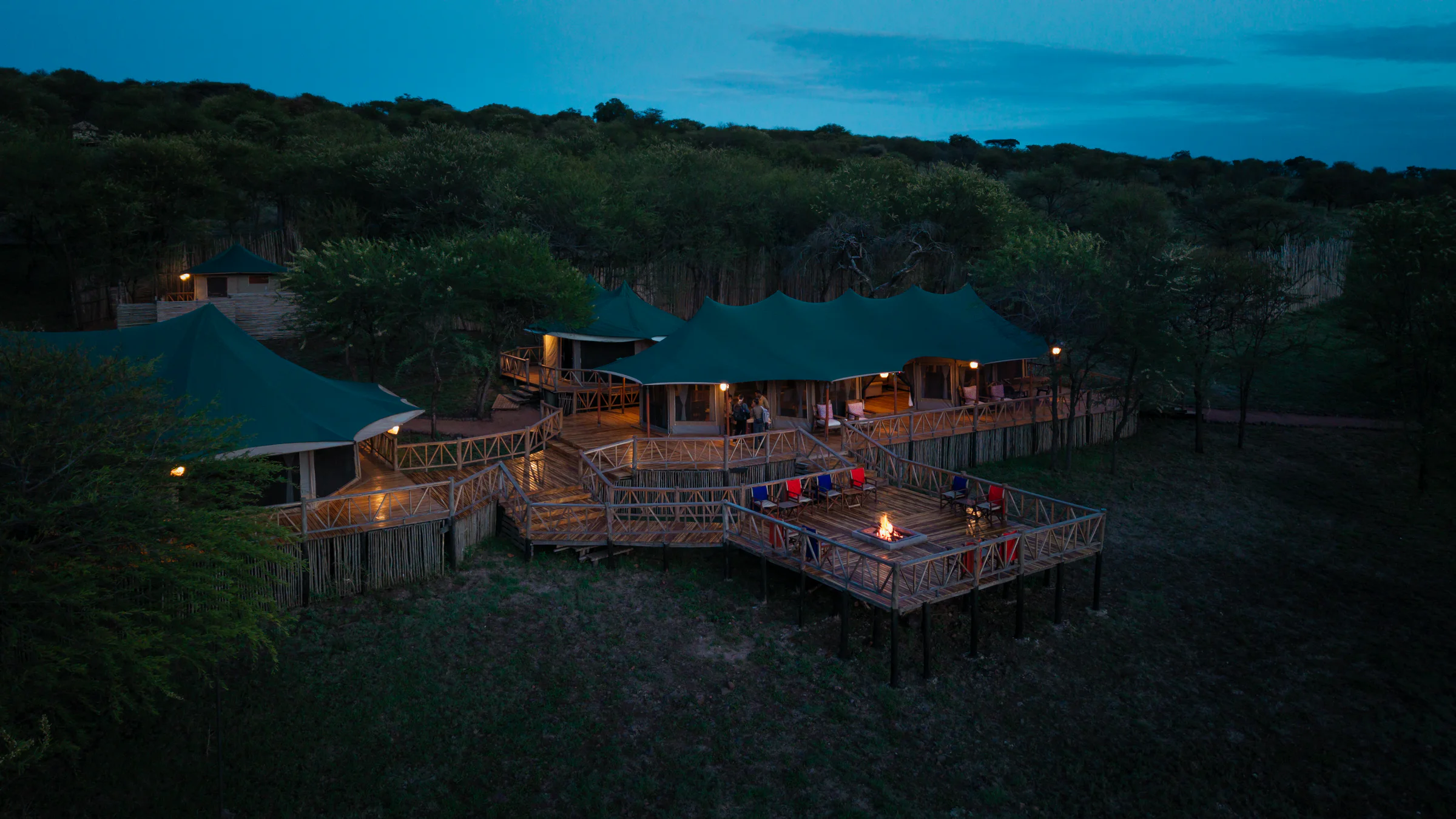
Your destination is Enkirari Wilderness Camp ($250–$325/night) in the Central Serengeti, near the famous Seronera Valley. This area is renowned for its year-round resident wildlife, particularly the big cats. The Seronera River attracts predators and prey alike, creating some of the most dramatic wildlife interactions you will witness anywhere.
After settling into camp, you will head out for an afternoon game drive. The Central Serengeti is prime leopard territory — our guides know the favourite trees and rocky outcrops where these elusive cats rest during the day. Lion prides are common too, and if you are lucky, you might witness a hunt as the afternoon light turns golden.
Dinner at Enkirari is a special affair, often served in the bush under a canopy of stars. The Serengeti has some of the darkest skies in East Africa, and the Milky Way arcs overhead in breathtaking clarity.
Ready to plan your safari? Get a free quote from our safari experts.
Day 6: Full Day in the Serengeti — Deep Exploration
This is your full day in the Serengeti, and we make the most of every hour. You have two options, both of which we highly recommend:
Option A: Full-Day Game Drive
Depart at dawn for a full-day game drive through different sectors of the Serengeti. Your guide will take you to areas based on current wildlife activity — perhaps the Moru Kopjes where cheetahs hunt on the open plains, or the Western Corridor if the migration herds are nearby. A packed lunch means you can stay out all day without returning to camp.
Option B: Hot Air Balloon Safari + Afternoon Drive
For an unforgettable experience, add a hot air balloon safari ($550–$650 per person). You will rise before dawn and float silently over the Serengeti as the sun paints the plains in amber and gold. From above, the scale of the landscape is humbling — herds of wildebeest stretch to the horizon, hippos wallow in pools below, and the occasional predator stalks through the grass. After landing, a champagne breakfast is served in the bush. The afternoon is free for a game drive or relaxation at camp.
During migration season (June–October), you might also consider a day trip to follow Enkutoto Migration Camp ($250–$400/night), our mobile camp that follows the Great Migration herds. The camp repositions throughout the year to ensure you are always in the heart of the action.
Day 7: Morning Game Drive and Departure
Your final morning begins with an early game drive, often the best time for predator sightings as lions and cheetahs are most active in the cool hours after dawn. Our guides will do their best to find any species still on your wish list.
After the drive, you have two departure options:
- Fly-out ($250–$350): A light aircraft flight from Seronera Airstrip to Arusha (approximately 1.5 hours), offering spectacular aerial views of the Serengeti, Ngorongoro, and the Rift Valley.
- Drive-out (included): A full-day drive back to Arusha (7–8 hours) with game viewing along the way. This is ideal for guests with late-evening international flights.
Both options deliver you to Arusha or Kilimanjaro Airport in time for evening departures.
Complete Cost Breakdown
Here is the full cost breakdown for this 7-day itinerary per person, based on double occupancy:
| Component | Mid-Range Option | Luxury Option |
|---|---|---|
| Acacia Retreat (1 night) | $140 | $220 |
| Serian Tarangire Camp (1 night) | $221 | $443 |
| Naserian Safari Camp (1 night) | $230 | $380 |
| The Castle at Ngorongoro (1 night) | $290 | $480 |
| Enkirari Wilderness Camp (2 nights) | $500 | $650 |
| Park Fees (all parks) | $480 | $480 |
| Private Vehicle & Guide (7 days) | $630 | $630 |
| All Meals | Included | Included |
| Airport Transfers | Included | Included |
| Total Per Person | $2,491 | $3,283 |
These prices include all accommodation, meals, park fees, game drives, and transfers. Not included: international flights, visa ($50), travel insurance, tips, and optional activities (balloon safari, cultural visits).
Ready to plan your safari? Get a free quote from our safari experts.
Best Time for This Itinerary
This Northern Circuit itinerary works well year-round, but each season offers a different experience:
- June–October (Dry Season): Best overall wildlife viewing. Vegetation is thin, water sources are concentrated, and animals are easier to spot. This is peak season with higher rates.
- December–March (Short Dry): Excellent for the Serengeti calving season (January–February). Green landscapes, fewer tourists, and baby animals everywhere.
- April–May (Green Season): Lowest rates, fewest tourists, and lush landscapes. Some roads may be challenging, but wildlife is still excellent. This is our best-value season.
- November (Short Rains): Brief afternoon showers, green scenery, and the migration herds often return to the Southern Serengeti. Good value with fewer crowds.
Read our complete guide: Best Time to Visit Tanzania for Safari.
What to Pack
Packing for a Northern Circuit safari requires layers. The crater rim sits at 2,300 metres and gets cold at night (5–10°C), while the Serengeti plains can reach 30°C+ during the day. Essentials include:
- Neutral-coloured clothing (khaki, olive, tan — avoid white and bright colours)
- A warm fleece or jacket for Ngorongoro evenings
- Comfortable closed-toe shoes for walking safaris
- A good pair of binoculars (10x42 recommended)
- Camera with a zoom lens (200–400mm for wildlife)
- Sunscreen, hat, and sunglasses
- Insect repellent with DEET
- A reusable water bottle (we refill at camp)
All our camps provide laundry service, so you do not need to pack for every day. A soft-sided duffel bag is best — rigid suitcases are difficult to fit in safari vehicles and light aircraft.
Customising This Itinerary
This 7-day route is our most popular, but it is fully customisable. Common modifications include:
- Add Lake Manyara (1 day): A scenic park famous for tree-climbing lions and flamingos on the alkaline lake.
- Add Zanzibar (3–5 days): Combine your safari with a beach extension on the Spice Island. We arrange flights from the Serengeti directly to Zanzibar.
- Extend the Serengeti (1–2 days): More time in the Serengeti means more chances for rare sightings — wild dogs, servals, and leopards with cubs.
- Swap to migration focus: If visiting June–October, we can route through Enkutoto Migration Camp to follow the herds.
Browse our full range of safari tour packages or contact our team to build a custom itinerary.
Frequently Asked Questions
Is 7 days enough for a Tanzania safari?
Yes, 7 days is the sweet spot for the Northern Circuit. You get meaningful time in three major parks without feeling rushed. If you have more time, we recommend adding 2–3 days for a Zanzibar beach extension or an extra day in the Serengeti.
How much driving is involved?
The longest single drive is Day 5 (Ngorongoro to Serengeti, about 3–4 hours), but all drives include game viewing along the way. Most daily drives are 2–3 hours between camps, with game drives filling the rest of the day.
Can I do this itinerary with young children?
Yes, with modifications. We recommend children be at least 5 years old for game drives. Our camps welcome families and can arrange shorter drives, nature walks, and child-friendly activities. See our family safari guide for more details.
What vehicles do you use?
We use custom-built Toyota Land Cruisers with pop-up roofs for 360-degree viewing, charging ports for devices, refrigerated cool boxes, and window seats for every passenger. Each vehicle carries a maximum of 6 guests for comfort.
Do I need vaccinations for Tanzania?
Yellow fever vaccination is required if arriving from an endemic country. We strongly recommend being up to date on hepatitis A, typhoid, and routine vaccinations. Malaria prophylaxis is recommended — consult your travel health clinic 6–8 weeks before departure.
Start planning your Tanzania safari
Our safari experts craft personalized itineraries for every interest and budget. Tell us what you are looking for.
Request a Free Quote