Practical photography tips for your Tanzania safari — camera gear recommendations, settings for wildlife, composition techniques, and common mistakes to avoid.
Safari Photography Tips: How to Take Incredible Wildlife Photos
You don't need $10,000 in camera gear to take great safari photos. You need the right settings, good timing, and a few composition tricks that separate snapshots from images worth framing.
This guide is for everyone — from smartphone photographers to DSLR enthusiasts.
Camera Gear Recommendations
Smartphone (iPhone 15/16 Pro, Samsung S24 Ultra) Modern smartphones are surprisingly capable for safari photography. The iPhone 15 Pro's 5x optical zoom and Samsung S24 Ultra's 10x zoom can capture usable wildlife shots from a standard game drive distance.
Tips for phone photography: - Use the telephoto lens (not digital zoom beyond the optical limit) - Shoot in the native camera app for faster focus - Turn off HDR for moving animals (it causes ghosting) - Burst mode for action shots (hold the shutter button) - Clean your lens — dust is constant on safari
Enthusiast Setup ($1,000–3,000) - Camera: Mirrorless body (Sony A6700, Fuji X-T5, Canon R10) — lighter, faster autofocus than DSLRs - Telephoto zoom: 100–400mm or 70–300mm (this is your primary safari lens) - Wide-angle: 16–35mm or 24–70mm for landscapes and camp shots - Memory cards: 2–3 cards, minimum 64GB each - Battery: At least 2 spare batteries — cold mornings drain them fast
Professional Setup ($5,000+) - Camera: Full-frame mirrorless (Sony A7RV, Nikon Z8, Canon R5 II) - Telephoto: 200–600mm f/5.6–6.3 or 100–400mm f/4.5–5.6 - Fast prime: 400mm f/4 or 600mm f/4 for low light (serious investment) - Beanbag: Essential — resting your lens on a beanbag on the vehicle door provides stability no tripod can match on a bumpy safari vehicle
Camera Settings for Safari
General Wildlife - Mode: Aperture Priority (A/Av) for most situations - Aperture: f/5.6–f/8 (balances sharpness with background blur) - ISO: Auto ISO, cap at 6400 (modern cameras handle this well) - Minimum shutter speed: 1/500s for stationary animals, 1/1000s+ for moving ones - Focus mode: Continuous AF (AF-C) with animal eye detection if available - Drive mode: High-speed continuous (burst) - File format: RAW if you edit; JPEG Fine if you don't
Action Shots (Running Animals, River Crossings) - Shutter speed: 1/2000s minimum — faster is better - Aperture: Wide open (f/4–f/5.6) to maximize shutter speed - ISO: Let it climb. A grainy sharp shot beats a clean blurry one - Focus: Continuous AF with tracking enabled - Burst: Fire in bursts of 10–15 frames
Birds in Flight - Shutter speed: 1/3000s+ - Aperture: f/5.6–f/8 - Focus: Use the widest AF area mode with tracking - Tip: Pre-focus on where you expect the bird to fly, then fire as it enters the zone
Low Light (Dawn, Dusk, Nocturnal) Early morning and late afternoon produce the best light — warm, soft, directional. But it's also the dimmest. - Push ISO to 3200–12800 as needed - Open aperture to maximum - Use a beanbag or brace against the vehicle for stability - If your camera has IBIS (in-body stabilization), rely on it
Composition: From Snapshots to Photographs
1. Eyes Are Everything A wildlife photo lives or dies by the eyes. Focus on the animal's nearest eye. If the eye isn't sharp, nothing else matters.
2. Get Low Safari vehicles are already at a good height relative to many animals. But when possible, shoot from the lowest window or roof hatch. Eye-level with the animal creates intimacy and eliminates the "looking down" perspective.
3. Leave Space for Movement If an animal is moving or looking to one side, place it off-center and leave space in the direction it's heading. This gives the image energy and direction.
4. Include Habitat Not every shot needs to be a tight head portrait. Environmental portraits — a lion in the vast Serengeti grasslands, an elephant dwarfed by a baobab — tell a story that a close-up can't.
5. Wait for Behavior The best wildlife photos capture action: a yawn, a hunt, a social interaction, a bird landing. Instead of firing 500 frames the moment you see a lion, watch its behavior. Wait for the moment. One frame of a lion mid-roar is worth more than a thousand of it sleeping.
6. Light Matters More Than Subject A common bird in golden backlight makes a better photo than a leopard in flat midday sun. Chase the light, not just the animal.
Timing: Golden Hours on Safari
The best safari photography happens in two windows:
- Morning golden hour: 6:00–7:30 AM (varies by season). Warm, low-angle light. Animals are active after the night.
- Evening golden hour: 4:30–6:00 PM. Similar warm light, plus animals heading to water.
The midday hours (11 AM–3 PM) produce harsh overhead light with strong shadows. This is a good time to rest, review your shots, and charge batteries.
Common Mistakes
- Shooting through dirty windows: Open the window or roof hatch. Glass degrades image quality significantly.
- Over-zooming: Not every shot needs to be frame-filling. Some of the best safari photos show the animal in its environment.
- Chimping: Don't review every shot on the LCD. You'll miss the next great moment. Check your settings once, trust them, and keep your eyes on the wildlife.
- Not backing up: Transfer photos to a laptop or portable hard drive every night. Cards fail. Cameras get dropped. Don't lose your trip's images.
- Forgetting the non-wildlife moments: Camp life, sunsets, your travel companions, Maasai encounters — these are part of your safari story too.
Our Camps: Designed for Photographers
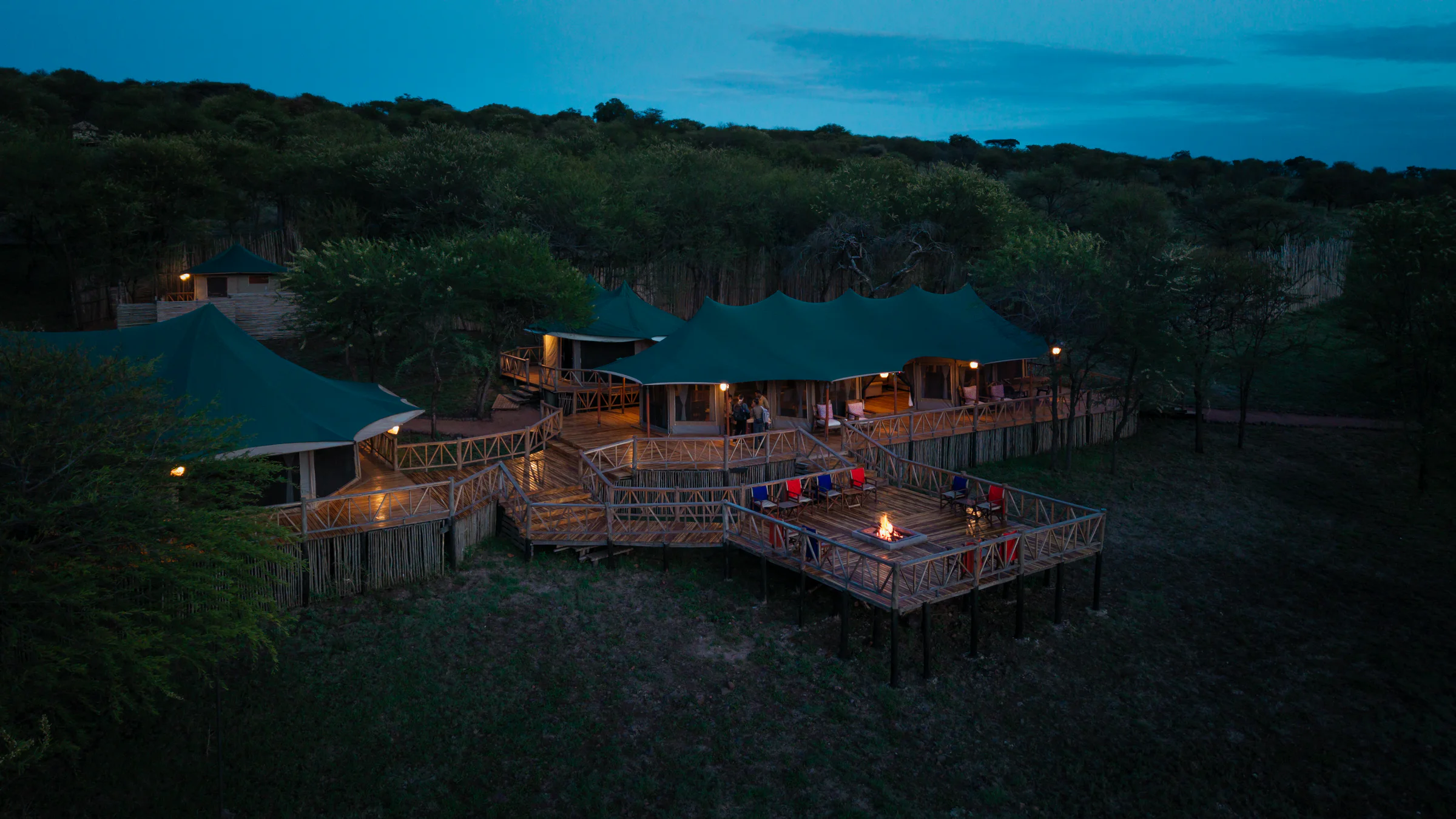
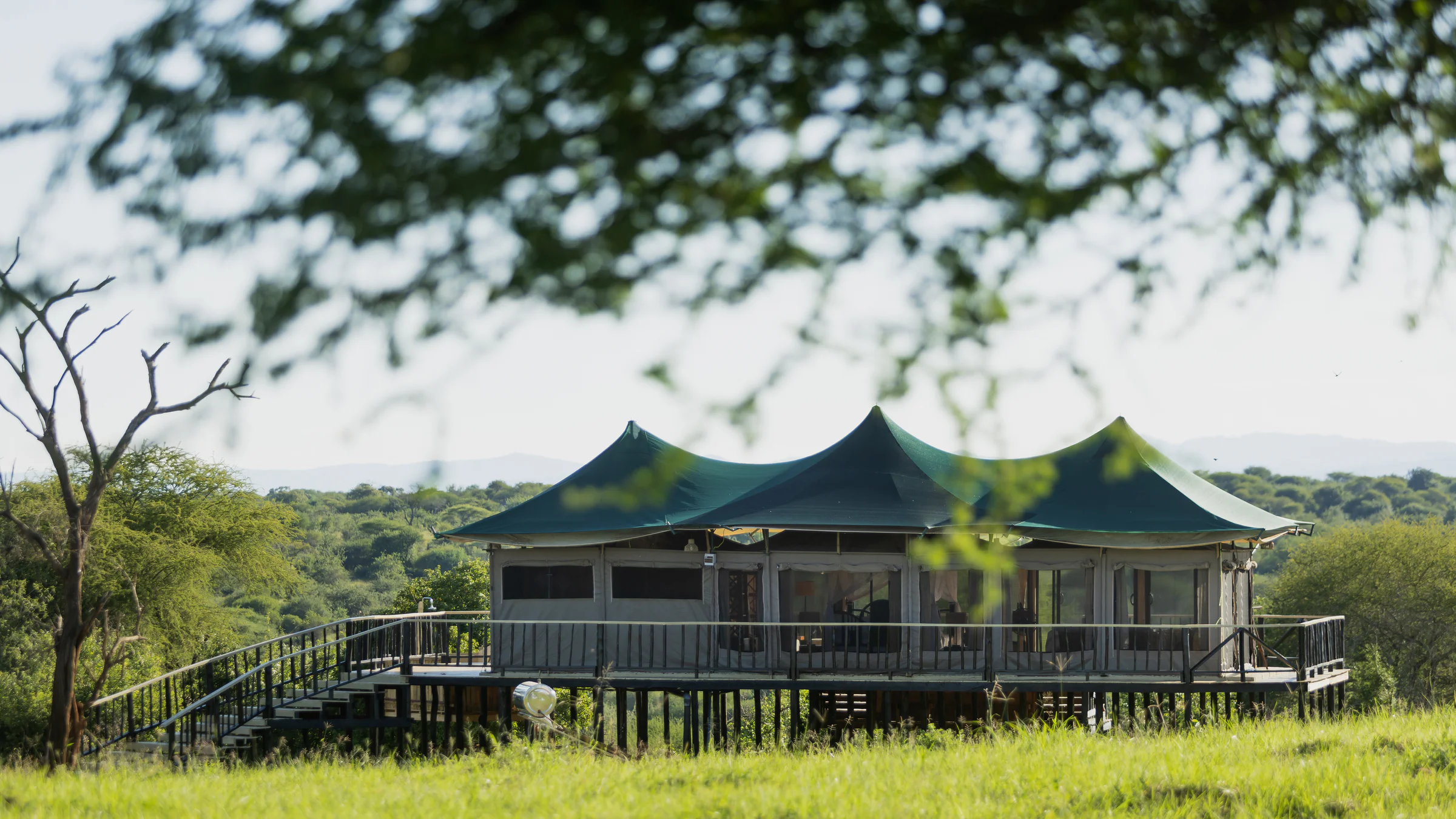
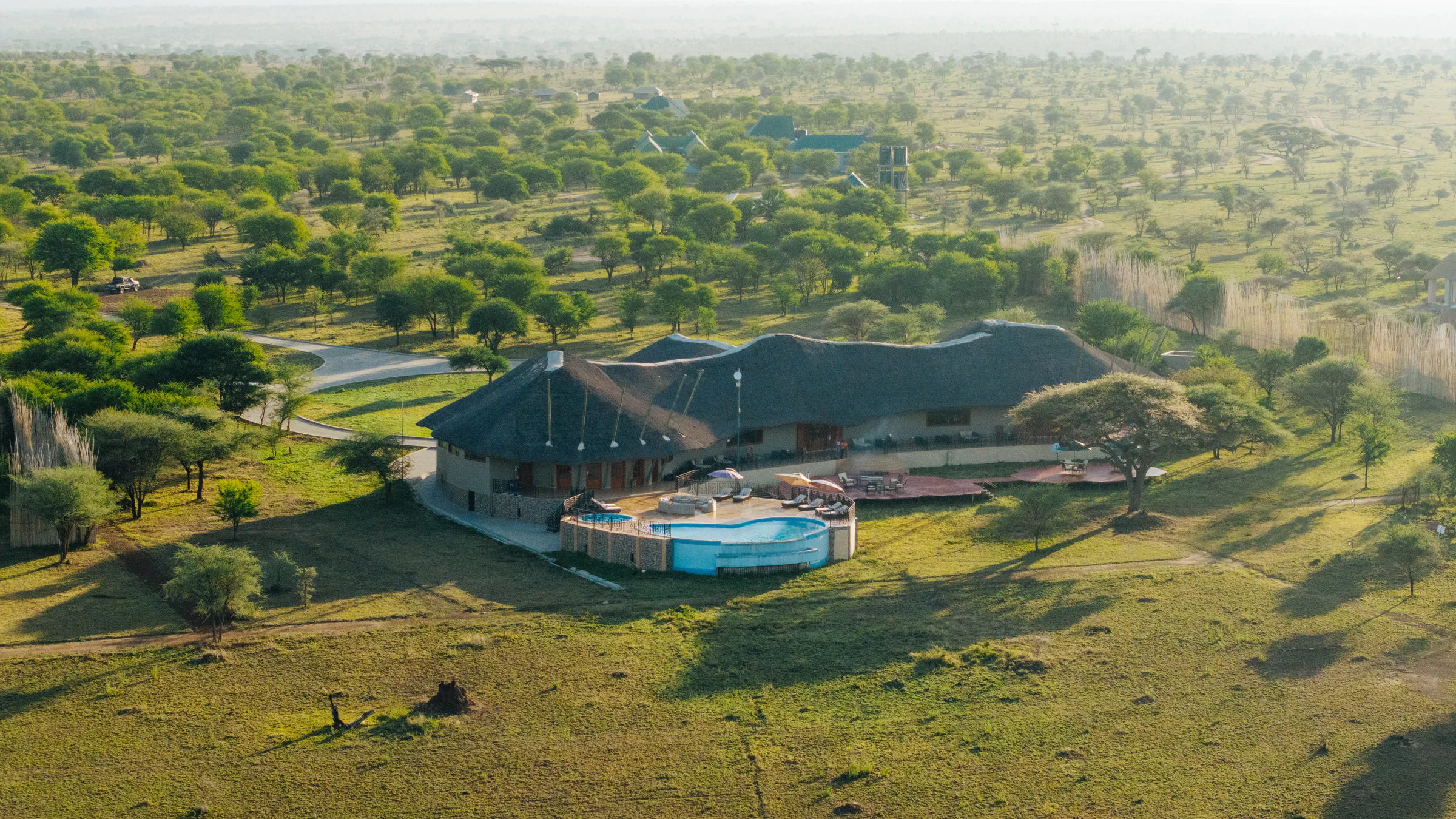
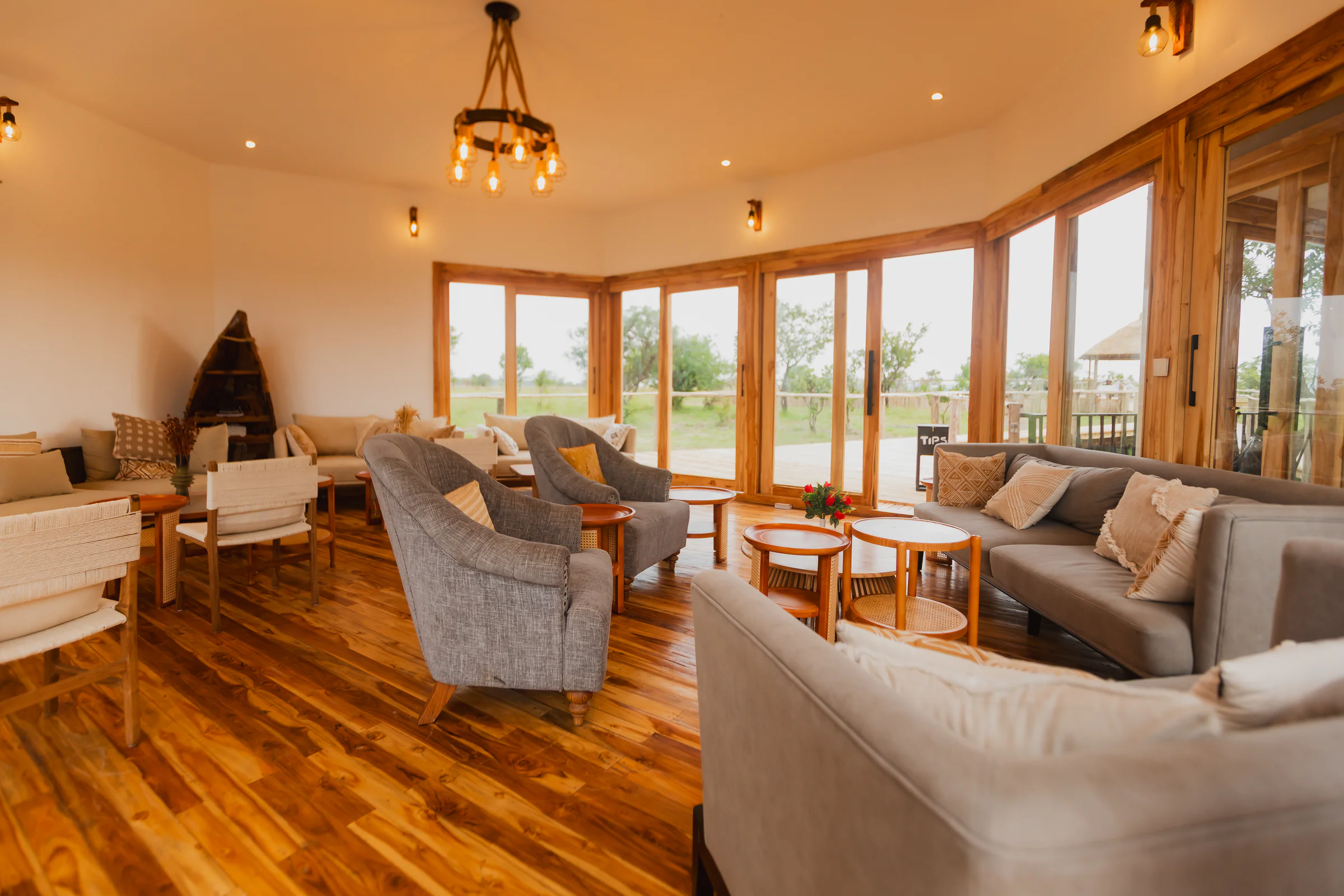
Acacia Collections camps are positioned in prime wildlife areas where photography opportunities are exceptional. Our guides understand photographic needs — they'll position the vehicle for the best light and angle, and they know when to wait for the decisive moment.
Explore our camps or ask about our photography-focused safari itineraries.
Want a private photography safari with expert guidance? Contact us to arrange a custom itinerary with dedicated photographic vehicle and extended game-drive hours.
Related Articles
Start planning your Tanzania safari
Our safari experts craft personalized itineraries for every interest and budget. Tell us what you are looking for.
Request a Free Quote