Is a solo safari in Tanzania safe for women? Our female team members share honest advice on safety, costs, solo supplements, and how to get the most from travelling alone.
When we tell people we work in the safari industry in Tanzania, one of the most frequent questions from women planning their first trip is: Is it safe to go on safari alone? The short answer is yes — emphatically yes. But we know that a short answer is not enough when you are considering travelling solo to a country you have never visited, in a continent that Western media often portrays through a lens of danger and instability.
This guide is written by the women on our Acacia Collections team — operations managers, booking coordinators, and guides who live and work in Tanzania every day. We are sharing our honest, first-hand perspective on solo female safari travel: the safety realities, the costs, the practicalities, and the things we wish someone had told us before our first solo bush experience.
The Safety Reality: Tanzania for Solo Women
Tanzania is consistently ranked among the safest countries in East Africa for tourists. The country has enjoyed political stability since independence in 1961, and tourism is a cornerstone of the national economy — meaning there is strong institutional motivation to keep visitors safe. The northern safari circuit (Arusha, Tarangire, Ngorongoro, Serengeti) is particularly well-managed, with dedicated tourism police, strict park regulations, and a professional guiding industry.
That said, no destination is without risk, and we believe in honest advice rather than blanket reassurance. Here is our realistic safety assessment:
| Concern | Reality | Our Advice |
|---|---|---|
| Wildlife danger | Extremely low on guided safaris | Always follow your guide's instructions; never exit the vehicle without permission |
| Petty theft | Low in parks, moderate in cities | Use hotel safes in Arusha; keep valuables out of sight |
| Harassment | Occasional verbal attention in towns | Dress modestly in towns; firm but polite refusal works |
| Road safety | Variable outside main highways | Book transfers through your operator — never use informal transport |
| Health | Malaria risk exists countrywide | Take prophylaxis, use repellent, sleep under nets |
| Solo in the bush | Very safe — you are always with a guide and camp staff | You are never truly alone on a guided safari |
The most important thing to understand is that a safari is not backpacking. You are not navigating unfamiliar cities alone, haggling for transport, or finding accommodation on the fly. On a guided safari, your entire journey is planned, guided, and supported. From the moment our driver collects you at the airport to the moment you are dropped back, you have a professional companion who knows the terrain, speaks the language, and is responsible for your wellbeing.
Have questions about solo travel safety? Reach out to our team — several of our booking coordinators are women who have travelled solo across Tanzania and are happy to share their experiences.
The Solo Supplement: What It Costs and How to Reduce It
The biggest practical concern for solo safari travellers is cost. Safari accommodation is priced per person sharing — meaning two people in a double tent or room. When you travel alone, you occupy that tent by yourself, and camps charge a "solo supplement" (sometimes called a "single supplement") to cover the lost revenue from the empty second bed.
Solo supplements vary by property and season but typically add 30-50% to your accommodation cost. Here is what it looks like at our Acacia Collections properties:
| Property | Rate per person sharing | Solo supplement | Total solo rate/night |
|---|---|---|---|
| Acacia Retreat | $140–$220 | $50–$80 | $190–$300 |
| Serian Tarangire Camp | $221–$443 | $80–$150 | $301–$593 |
| Enkirari Wilderness Camp | $250–$325 | $90–$120 | $340–$445 |
| Naserian Safari Camp | $230–$380 | $80–$130 | $310–$510 |
| The Castle at Ngorongoro | $290–$480 | $100–$170 | $390–$650 |
| Olkarien Eco Safari Camp | $435–$474 | $150–$180 | $585–$654 |
Over a 7-day safari, solo supplements can add $600–$1,000 to your total cost. That is significant — but there are strategies to reduce or eliminate it.
5 Ways to Reduce Solo Safari Costs
We help solo travellers save money regularly. Here are the most effective strategies:
- 1. Join a scheduled group departure: We run fixed-date group safaris throughout the year where solo travellers share a vehicle (and sometimes accommodation) with other guests. Vehicle costs are split, and some properties waive the solo supplement when you are part of a group booking.
- 2. Travel in green season (April–May): Base rates drop 20–40%, and solo supplements are often reduced or waived entirely as camps are keen to fill rooms.
- 3. Request roommate matching: We can pair you with another solo traveller of the same gender to share a tent and eliminate the supplement entirely. This works best when booked 3–6 months in advance.
- 4. Mix accommodation tiers: Use mid-range camps for most nights and splurge on one luxury night. For example, stay at Enkirari Wilderness Camp for two Serengeti nights and The Castle at Ngorongoro for one special night.
- 5. Book direct: Booking through an international agent adds commissions that inflate the total. Contact us directly for operator rates with no middleman markup.
Solo vs Couple vs Group: Full Cost Comparison
Here is a realistic cost comparison for a 7-day Northern Circuit safari at mid-range level:
| Cost Component | Solo Traveller | Couple (per person) | Group of 4 (per person) |
|---|---|---|---|
| Accommodation (7 nights) | $2,200–$2,900 | $1,500–$2,100 | $1,500–$2,100 |
| Solo supplement | $600–$950 | $0 | $0 |
| Private vehicle + guide | $900 (full cost to you) | $450 (split 2 ways) | $225 (split 4 ways) |
| Park fees | $480 | $480 | $480 |
| Meals | Included | Included | Included |
| Transfers | $120 | $60 | $30 |
| Total per person | $4,300–$5,350 | $2,490–$3,090 | $2,235–$2,835 |
| Premium vs couple | +70–75% | Baseline | -10% vs couple |
The solo premium is real — about 70% more than travelling as a couple. But joining a group departure can bring your cost much closer to the couple rate. On our scheduled group safaris, solo travellers typically pay just 15–25% more than the per-person-sharing rate.
Want to find a group departure that fits your dates? Ask our team about upcoming scheduled safaris with available seats.
What Solo Safari Life Is Actually Like
Let us walk you through a typical day as a solo safari traveller with Acacia Collections, because the reality is far more social and supported than most people imagine.
5:30 AM: Your guide knocks on your tent door with hot coffee or tea. You dress in the pre-dawn chill (layers are essential at Ngorongoro), grab your camera, and climb into the vehicle. If you are on a group departure, your vehicle mates are already buzzing about what they hope to see today. If on a private safari, it is just you and your guide — which means total flexibility on where to go and how long to stay.
6:00 AM – 12:00 PM: Morning game drive. This is peak wildlife activity time. Your guide navigates based on years of experience, radio tips from other guides, and fresh tracks in the road. Conversation flows naturally — guides are excellent company and love sharing knowledge. You will learn more about ecology, animal behaviour, and Tanzanian culture in one morning drive than in months of reading.
12:00 PM – 3:00 PM: Return to camp for lunch and downtime. This is when the social magic of safari camps works its charm. Camps are small (typically 8–20 guests), and everyone eats together at communal tables or in a shared dining area. As a solo traveller, you will never eat alone unless you choose to. Fellow guests are universally friendly — you are all sharing this extraordinary experience — and camp staff go out of their way to include everyone.
3:30 PM – 6:30 PM: Afternoon game drive. The golden light of late afternoon is prime time for photography and predator activity. You will return to camp as the sun sets, often with sundowner drinks at a scenic viewpoint.
7:00 PM onwards: Dinner, stargazing, and campfire conversation. Many solo travellers tell us the evenings are their favourite part — a bush dinner under African stars, sharing stories of the day's sightings with people from around the world, and going to bed with the sounds of the African night outside your tent.
Practical Tips for Solo Female Travellers
Based on our team's collective experience, here are the tips we wish someone had given us:
- Dress modestly in towns: Tanzania is a conservative country. In Arusha and other towns, cover shoulders and knees. On safari in the bush, dress comfortably — shorts and tank tops are fine in camp and in the vehicle.
- Carry a headlamp: Camps are not fully lit at night. A headlamp is essential for walking between your tent and the dining area after dark.
- Inform your guide of preferences: Want to spend extra time watching elephants? Prefer an early return to camp? Your guide works for you — communicate openly.
- Download offline maps: Data coverage is spotty in national parks. Download Google Maps offline for Arusha and the route to your first park.
- Bring a power bank: Most camps have limited charging facilities (solar power). A good power bank keeps your phone and camera going all week.
- Consider travel insurance with evacuation cover: AMREF Flying Doctors evacuation insurance is included in our packages, but comprehensive travel insurance is strongly recommended. World Nomads and SafetyWing are popular with solo travellers.
- Trust your operator: If you have booked with a reputable operator like us, you are in safe hands. Our guides carry satellite phones, first aid kits, and emergency evacuation contacts. You are supported at every stage.
Our Most Solo-Friendly Properties
All our camps welcome solo travellers warmly, but some are particularly well-suited:
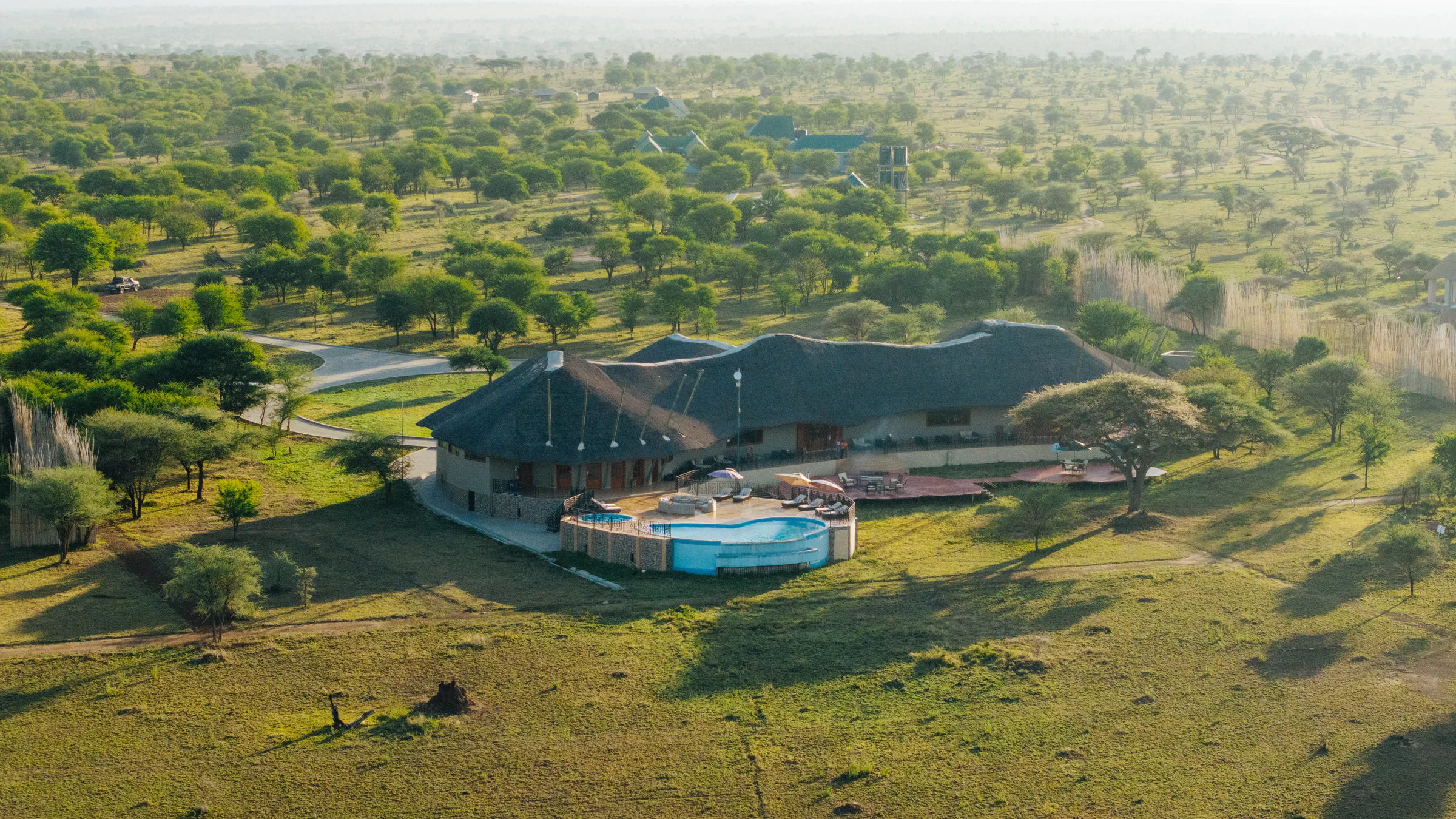
- Acacia Retreat in Arusha ($140–$220/night): A relaxed, intimate property where solo guests quickly feel at home. The pool area and garden are natural gathering spots where you will meet fellow travellers.
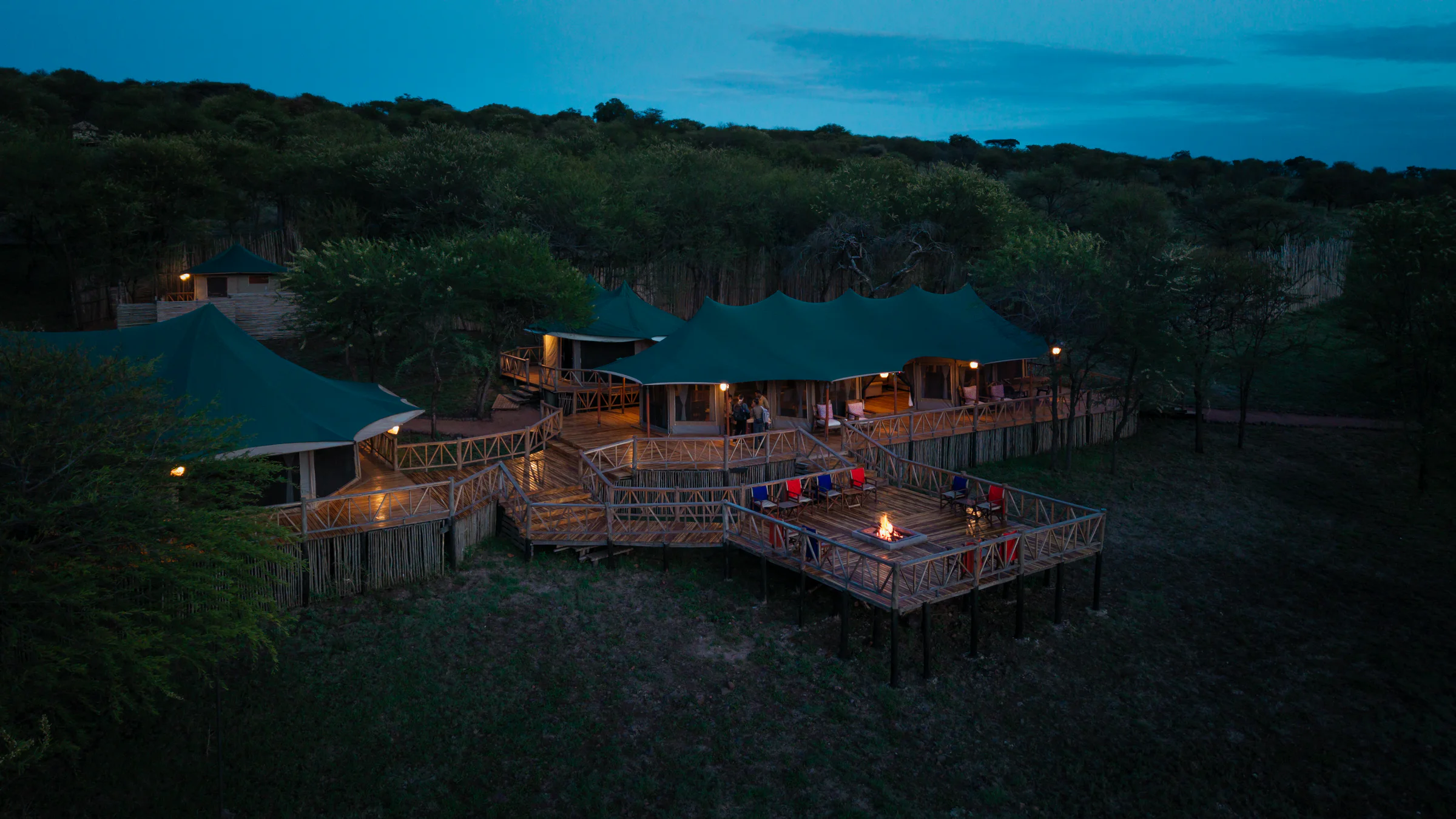
- Enkirari Wilderness Camp in the Serengeti ($250–$325/night): Our Serengeti camp has a communal fire pit and open dining area that naturally brings guests together. The camp's small size (limited tents) creates a family atmosphere.
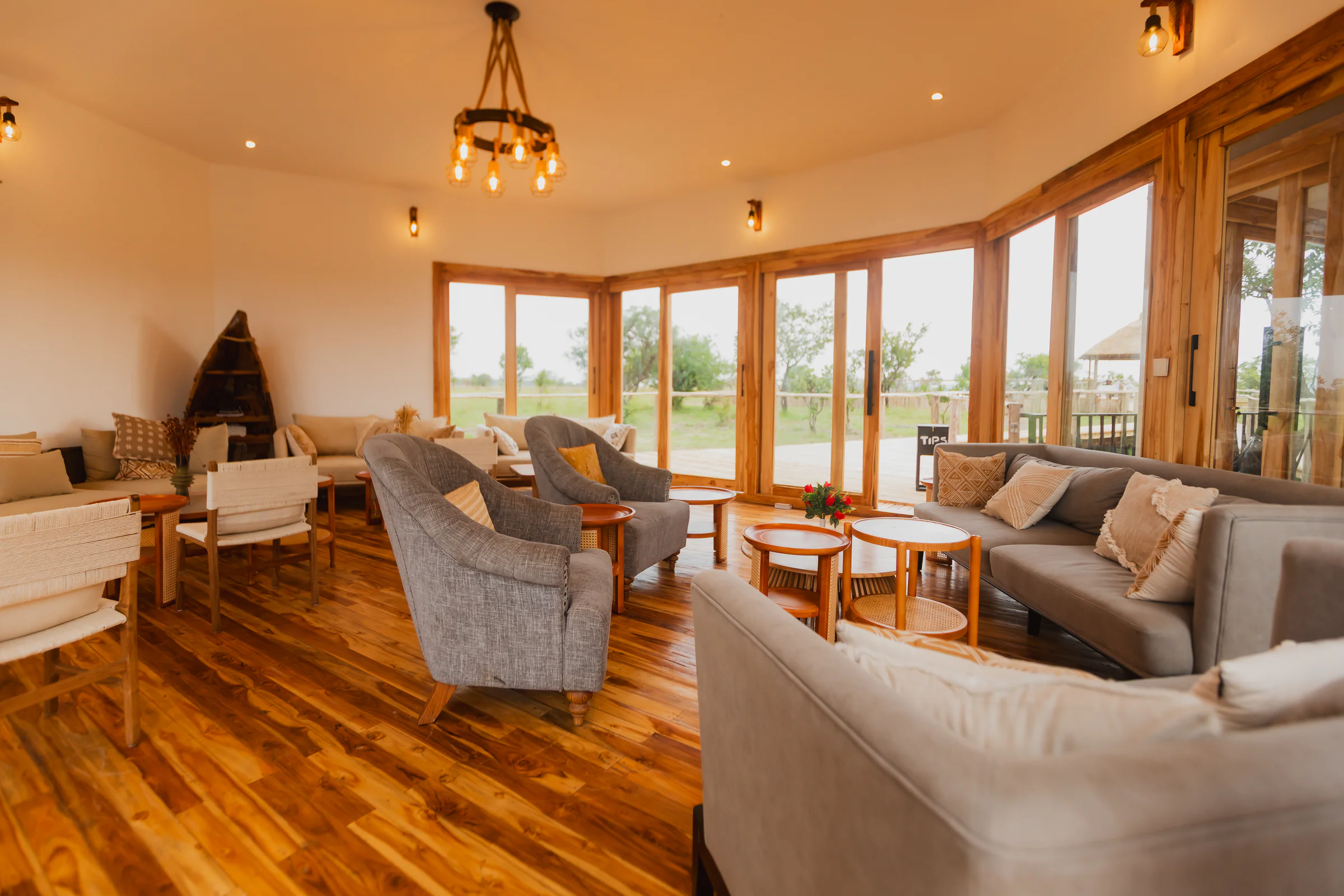
- Naserian Safari Camp at Ngorongoro ($230–$380/night): With 12 rooms and a cosy lounge with crater views, Naserian has the perfect balance of space and intimacy for solo guests.
Ready to plan your solo safari? Contact us and we will match you with the perfect itinerary, whether private or group.
Group Join Options: The Best of Both Worlds
If travelling completely alone does not appeal to you — or if budget is a primary concern — our group join safaris offer an excellent middle ground. Here is how they work:
- We set fixed departure dates throughout the year (monthly in low season, bi-weekly in high season)
- Groups are capped at 6 guests per vehicle for comfort
- You share the vehicle and guide costs with other guests, significantly reducing per-person pricing
- Accommodation is in private tents/rooms — you share experiences, not living space (unless you opt for roommate matching)
- Itineraries follow our most popular routes, covering the best of the Northern Circuit
Group joins are popular with solo travellers aged 25–55 from all over the world. The shared experience often leads to genuine friendships — we regularly hear from guests who travel together again years later after meeting on one of our group departures.
Browse our scheduled safari tours to see upcoming group departure dates, or contact us to be added to our solo traveller mailing list for new departures.
What I Learned Travelling Solo on Safari
One of our team members, who first visited Tanzania as a solo traveller before joining the company, shares her reflections:
"The thing nobody tells you about a solo safari is that you are never really alone. Your guide becomes your companion, your teacher, your protector. The camp staff remember your name by lunch on Day 1. Fellow guests become instant friends because you are all experiencing something extraordinary together. I came to Tanzania expecting solitude and found community instead. The solo supplement was the best money I ever spent — not because I had a tent to myself, but because it forced me to be open to everyone around me. I ate every meal with strangers who became friends. I had my guide's undivided attention. I set my own pace. I stayed an extra 20 minutes watching a leopard because nobody in my vehicle was impatient to move on. Solo safari is not lonely. It is liberating."
Frequently Asked Questions
Is Tanzania safe for solo female travellers?
Yes. Tanzania is one of the safest countries in East Africa for tourists, and guided safaris are among the safest forms of travel anywhere. You are accompanied by a professional guide at all times during game drives, and camps have 24-hour security. Exercise normal caution in cities (as you would anywhere) and you will be fine.
How much more does a solo safari cost?
Expect to pay 50–75% more than the per-person-sharing rate for a fully private safari, mainly due to solo supplements on accommodation and bearing the full vehicle cost. Joining a group departure reduces this premium to 15–25%. Contact us for a detailed solo quote.
Can I join a group safari as a solo traveller?
Absolutely. We run scheduled group departures year-round specifically designed for solo travellers and small groups. You share a vehicle and guide with other guests (maximum 6 per vehicle) while keeping your own private tent or room at camp.
What if I feel uncomfortable during the safari?
Your comfort is our priority. If anything makes you uncomfortable — a fellow guest, a situation, a camp arrangement — tell your guide immediately. Our guides are trained to handle any situation, and we can adjust arrangements, swap vehicles, or contact our operations team at any time via satellite phone.
Should I book a private or group safari as a solo woman?
Both are excellent options. A private safari gives you total flexibility and your guide's undivided attention — ideal for photographers and introverts. A group safari is more social and significantly cheaper — ideal for budget-conscious travellers and extroverts. Many solo women start with a group departure and return for a private safari once they know what they love most. Talk to us about which option suits you.
Start planning your Tanzania safari
Our safari experts craft personalized itineraries for every interest and budget. Tell us what you are looking for.
Request a Free Quote