The complete Tanzania safari packing checklist from operators who live in the bush. Category-by-category guide covering clothing, electronics, health essentials, documents, and toiletries.
Packing for a Tanzania safari is not like packing for any other holiday. You are heading into remote wilderness areas where the nearest shop might be a six-hour drive away. Forget something important and you cannot just pop out to buy it. Pack too much and you will struggle with luggage limits on light aircraft and cramped safari vehicles.
After years of watching guests arrive with everything from high heels to full-size suitcases (both genuine examples), we have put together the definitive packing list. This is what we tell our own friends and family when they visit — practical, tested, and stripped of anything unnecessary.
The Golden Rules of Safari Packing
Before we get into the checklist, here are five rules that will save you headaches:
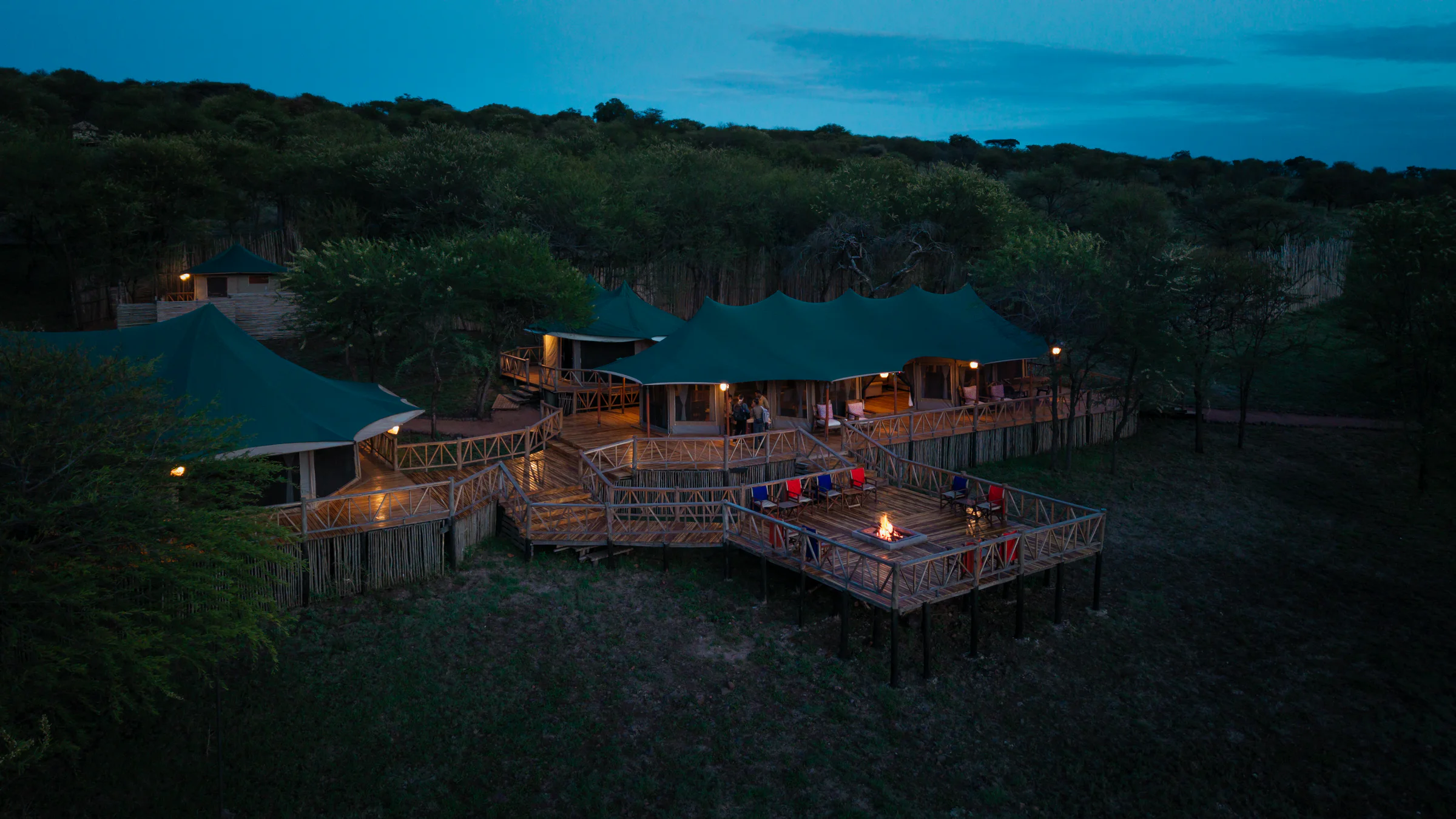
- Use a soft-sided duffel bag, not a rigid suitcase. Light aircraft to the Serengeti have strict luggage limits (typically 15–20 kg) and rigid suitcases do not fit in the luggage pods. Even if you are driving, a duffel is easier to load into a Land Cruiser. Most safari camps, including our properties like Enkirari Wilderness Camp and Serian Tarangire Camp, provide laundry service — so you do not need a fresh outfit for every day.
- Wear neutral colours. Khaki, olive, tan, brown, and grey blend into the environment and do not startle wildlife. Avoid white (gets dirty instantly and reflects glare), black (attracts tsetse flies), and bright colours (can alarm some animals).
- Layer, layer, layer. Tanzania's safari circuit spans altitudes from 1,000 metres (Tarangire) to 2,300 metres (Ngorongoro Crater rim). Mornings can be 5°C on the crater rim and 30°C+ in the Serengeti by midday. Layers let you adapt without overpacking.
- Protect against sun and insects. The equatorial sun is fierce, and malaria-carrying mosquitoes are present in all safari areas. Sunscreen, a hat, and insect repellent are non-negotiable.
- Less is more. Most guests overpack on their first safari and underpack on their second. Trust the laundry service at camp and pack lighter than you think you need to.
Questions about what to bring? Ask our safari team — we are happy to advise based on your specific itinerary and dates.
Complete Packing Summary Table
| Category | Essential Items | Quantity | Notes |
|---|---|---|---|
| Clothing | Long-sleeve safari shirts | 3–4 | Neutral colours, lightweight, UV-protective |
| Clothing | T-shirts / short-sleeve tops | 2–3 | For layering under shirts |
| Clothing | Safari trousers (zip-off) | 2–3 | Convertible trousers are ideal |
| Clothing | Shorts | 1–2 | For camp, not game drives |
| Clothing | Warm fleece or softshell jacket | 1 | Essential for Ngorongoro (5–10°C nights) |
| Clothing | Lightweight rain jacket | 1 | Packable, for green season |
| Clothing | Underwear | 5–7 | Quick-dry preferred |
| Clothing | Socks | 4–5 pairs | Wool-blend or moisture-wicking |
| Clothing | Sleepwear | 1 set | Warm for Ngorongoro nights |
| Clothing | Swimwear | 1 | For lodge pools (Olkarien, Acacia Retreat) |
| Footwear | Comfortable closed-toe shoes | 1 pair | Walking or light hiking shoes |
| Footwear | Sandals or flip-flops | 1 pair | For camp and showers |
| Accessories | Wide-brimmed hat or safari cap | 1 | Sun protection is critical |
| Accessories | Sunglasses (polarised) | 1 | Reduces glare on the plains |
| Accessories | Buff or bandana | 1 | Dust protection on dirt roads |
| Electronics | Camera + zoom lens | 1 | 200–400mm for wildlife |
| Electronics | Binoculars | 1 | 10x42 recommended |
| Electronics | Spare batteries / charger | 2+ | Camps have charging, but limited |
| Electronics | Memory cards | 2–3 | 64GB+ each; shoot more than you think |
| Electronics | Power bank | 1 | 10,000–20,000 mAh |
| Electronics | Universal power adapter | 1 | Tanzania uses UK-style Type G plugs |
| Electronics | Phone + charger | 1 | Signal is patchy in parks |
| Health | Malaria prophylaxis | As prescribed | Start before travel; consult your doctor |
| Health | Insect repellent (DEET 30%+) | 1–2 bottles | Apply at dawn and dusk |
| Health | Sunscreen (SPF 50+) | 1–2 bottles | Reapply every 2 hours |
| Health | Personal medications | As needed | Bring extra supply in case of delays |
| Health | Basic first-aid kit | 1 | Plasters, painkillers, anti-diarrhoeal |
| Health | Hand sanitiser | 1 | Useful before bush picnic lunches |
| Documents | Passport (6+ months validity) | 1 | Required; keep a photocopy separate |
| Documents | Travel insurance documents | 1 | Print a copy; save digital backup |
| Documents | Vaccination certificate (Yellow Fever) | 1 | Required if from endemic country |
| Documents | Flight confirmations | 1 | Print copies of all bookings |
| Documents | Safari vouchers / itinerary | 1 | We provide these before departure |
| Documents | Cash (USD, small bills) | $200–$400 | Post-2013 bills; for tips and extras |
| Toiletries | Toothbrush and toothpaste | 1 | Basics not always available in the bush |
| Toiletries | Biodegradable soap / shampoo | 1 | Eco-friendly for bush camps |
| Toiletries | Lip balm with SPF | 1 | Dry air and sun crack lips quickly |
| Toiletries | Wet wipes | 1 pack | Invaluable for dusty game drives |
| Toiletries | Tissues | 1 pack | Some bush toilets are basic |
Print this table or save it to your phone — it is your master checklist.
Clothing: What to Wear on Safari
Getting your clothing right is the difference between a comfortable safari and a miserable one. Here is what we recommend based on years of bush experience.
Safari Shirts
Invest in 3–4 lightweight, long-sleeve safari shirts in neutral colours. Long sleeves protect against sun and mosquitoes, and you can roll them up when it is warm. Look for shirts with UV protection (UPF 30+), ventilation panels, and chest pockets for small items. Cotton-polyester blends dry faster than pure cotton, which matters when you are sweating in the Serengeti heat and freezing on the Ngorongoro rim the same week.
Trousers
Zip-off convertible trousers are the safari traveller's best friend. Two pairs give you four options — long trousers for morning game drives (protection against cold and mosquitoes), shorts for the hot midday at camp. Look for lightweight, quick-dry fabrics in khaki or olive. Avoid jeans — they are too heavy, too hot, and take forever to dry if they get wet.
Warm Layers
This is the item most first-timers underestimate. The Ngorongoro Crater rim sits at 2,300 metres, and temperatures drop to 5–10°C at night. Early morning game drives in the Serengeti can be chilly too, especially in an open-roofed vehicle at 6 a.m. Pack a warm fleece or softshell jacket — something you can layer over a shirt and under a rain jacket if needed. Our guests at The Castle at Ngorongoro and Naserian Safari Camp consistently tell us they were glad they brought warm layers.
Rain Gear
If visiting during the green season (November–May), a lightweight packable rain jacket is essential. Even in the dry season, an unexpected shower is possible. A poncho works too and doubles as a camera protector.
Packing for a specific month? Ask us what the weather looks like for your dates.
Electronics: Camera, Binoculars, and Power
This is where many guests invest the most thought — and rightly so. The wildlife photography opportunities on a Tanzania safari are extraordinary, and the right equipment makes a massive difference.
Camera Equipment
You do not need professional gear to take stunning safari photos, but a zoom lens is essential. Wildlife is often 20–100 metres away, and your phone's camera, no matter how advanced, cannot bridge that gap effectively. Our recommendations by level:
- Basic: A bridge camera with 30x+ optical zoom (Sony RX10, Nikon Coolpix P950). These are affordable, lightweight, and deliver surprisingly good results.
- Intermediate: A mirrorless or DSLR camera with a 100–400mm zoom lens. This is the sweet spot for most safari photographers.
- Advanced: A professional body with a 200–600mm telephoto. Extraordinary results, but heavy and expensive. Consider renting if you do not own one.
Bring at least 2–3 memory cards (64GB or larger) and spare batteries. You will shoot far more than you expect — 500–1,000 photos per day is normal for keen photographers. Our safari vehicles have charging ports, but battery life in the bush is always a concern.
Binoculars
A good pair of binoculars transforms your safari experience. They let you study animal behaviour, spot distant wildlife your guide points out, and observe birds in detail. We recommend 10x42 binoculars — 10x magnification with 42mm objective lenses offer a good balance of power and light-gathering. Budget options from Nikon, Bushnell, or Celestron start around $100 and are perfectly adequate.
Power and Connectivity
All our camps and lodges — from Acacia Retreat in Arusha to Olkarien Eco Safari Camp in the Serengeti — provide charging facilities. However, outlets may be limited and available only at certain times in more remote camps. A 10,000–20,000 mAh power bank ensures your phone and camera batteries stay topped up regardless.
Tanzania uses UK-style Type G power outlets (three rectangular pins). Bring a universal adapter. Mobile phone signal is available in Arusha and some parts of the Serengeti (especially near Seronera), but expect patchy or zero coverage in most wilderness areas. Embrace the digital detox — it is part of the experience.
Health Essentials: Staying Well on Safari
Tanzania is a tropical country, and a few health precautions will ensure you stay well throughout your trip.
Malaria Prevention
Malaria is present in all safari areas in Tanzania. We strongly recommend taking prophylaxis — the three main options are Malarone (atovaquone-proguanil), doxycycline, and mefloquine. Consult your travel health clinic 6–8 weeks before departure to get a prescription and start the medication on time. In addition to medication, minimize mosquito bites by wearing long sleeves at dawn and dusk, using DEET-based repellent, and sleeping under the mosquito nets provided at all our camps.
Sun Protection
The equatorial sun in Tanzania is intense, especially at altitude. Sunburn can happen within 30 minutes of unprotected exposure. Use SPF 50+ sunscreen, reapply every 2 hours, wear a hat, and use UV-protective clothing. Lip balm with SPF is often forgotten but important — dry air and sun cause painful cracked lips.
Insect Repellent
DEET-based repellent (30% or higher concentration) is the gold standard for tropical destinations. Apply it to exposed skin at dawn and dusk when mosquitoes are most active. Permethrin spray for treating clothing adds an extra layer of protection. All our camps provide mosquito nets for sleeping.
First Aid
Pack a small personal first-aid kit containing: adhesive plasters, paracetamol or ibuprofen, anti-diarrhoeal medication (loperamide), rehydration sachets, antihistamines, and any personal prescription medications. Our camps have basic first-aid supplies and our guides are trained in wilderness first aid, but having your own kit provides peace of mind.
Health questions about your safari? Contact our team — we can advise based on your itinerary and the time of year.
Documents: What You Must Carry
Losing or forgetting essential documents can derail your entire trip. Here is what you need, and how to protect it.
Passport
Your passport must have at least 6 months' validity from your date of entry into Tanzania and at least 2 blank pages for visa stamps. Make a photocopy of the ID page and keep it separate from your passport — in your daypack or as a photo on your phone. If your passport is lost or stolen, the photocopy speeds up the replacement process at your embassy in Dar es Salaam.
Visa
Most nationalities can obtain a Tanzania visa on arrival at Kilimanjaro International Airport ($50 for a single-entry tourist visa). You can also apply online in advance through the Tanzania Immigration e-Visa portal, which can save time at immigration. Carry a printed copy of your e-visa approval if applying online.
Vaccination Certificate
A Yellow Fever vaccination certificate is required if you are arriving from (or transiting through) a Yellow Fever-endemic country. Even if not technically required for your route, we recommend carrying it to avoid any complications at immigration. Other recommended vaccinations include hepatitis A, typhoid, and being up to date on routine vaccines.
Cash
Carry $200–$400 in US Dollar cash in small denominations ($1, $5, $10, $20). This is primarily for tips, souvenirs, and any optional activities. Important: bring bills printed after 2013 — older US bills are sometimes refused in Tanzania. Avoid relying solely on cards; ATMs are available in Arusha but not in national parks.
Toiletries: Keep It Simple and Eco-Friendly
Our camps provide basic toiletries (soap, shampoo), but most guests prefer to bring their own. Keep it minimal and eco-friendly — many safari camps use grey-water recycling systems, and biodegradable products protect the environment.
Essential toiletries: toothbrush and toothpaste, biodegradable soap and shampoo, deodorant, lip balm with SPF, wet wipes (invaluable for dusty game drives), and tissues. Women should bring all necessary feminine hygiene products as these are difficult to find in remote areas. Contact lens wearers should bring extra solution and consider switching to glasses for dusty game drives.
What NOT to Pack
Equally important is what to leave at home:
- Rigid suitcases: Light aircraft luggage pods cannot fit them. Use a soft duffel.
- Camouflage clothing: Military-style camo is culturally sensitive in Tanzania and may attract unwanted attention from authorities. Stick to plain neutral colours.
- White clothing: Gets filthy on the first game drive and reflects glare that can startle wildlife.
- Heavy boots: Unless you are doing serious trekking (Kilimanjaro), lightweight walking shoes are sufficient. Heavy boots take up too much luggage space.
- Excessive electronics: A laptop is unnecessary unless you are a professional photographer. A phone, camera, and binoculars are all you need.
- Perfume or cologne: Strong scents attract insects and can be detected by wildlife. Go fragrance-free on safari.
- Jewellery and valuables: Leave expensive items at home. Safari is not the place for fine jewellery.
- Drone: Drones are prohibited in all Tanzanian national parks and the Ngorongoro Conservation Area. Do not bring one.
Packing Adjustments by Season
Your packing list should adjust slightly depending on when you travel:
| Season | Months | Key Adjustments |
|---|---|---|
| Dry Season | June–October | Extra dust bandana, lighter layers, more sunscreen |
| Short Dry | January–February | Similar to dry season, slightly warmer |
| Green Season | March–May | Rain jacket essential, waterproof bag for camera, insect repellent priority |
| Short Rains | November–December | Light rain jacket, layers for variable conditions |
| Ngorongoro (any time) | Year-round | Always bring warm fleece — crater rim is cold regardless of season |
If your itinerary includes both the Serengeti and Ngorongoro, you will experience both heat and cold within the same trip. Layers are the solution.
Not sure what to pack for your dates? Contact us — we will send a customised packing recommendation based on your itinerary.
Luggage Limits and Tips
If your itinerary includes a light-aircraft flight (common for Serengeti fly-in safaris), luggage limits are strict:
- Weight limit: 15–20 kg total (including hand luggage), depending on the airline.
- Bag type: Soft-sided duffel bags only. No rigid suitcases, no wheels.
- Dimensions: Typically 62 cm x 36 cm x 25 cm maximum.
Even if you are driving rather than flying, packing light makes life easier. Safari vehicle roof space is shared between all passengers, and cameras, binoculars, and daypacks take up seat space. We recommend packing everything in one medium duffel (50–60 litres) and one daypack.
Leave any excess luggage at your starting hotel. Our Acacia Retreat ($140–$220/night) in Arusha stores luggage free of charge for guests departing on safari.
Frequently Asked Questions
Is laundry available on safari?
Yes. All our camps and lodges offer daily laundry service, usually included in the rate. Clothes are washed by hand and line-dried in the sun — they come back fresh and folded by evening. This means you can pack 3–4 days' worth of clothing even for a 10-day safari.
Can I charge my phone and camera at camp?
Yes. All Acacia Collections properties provide charging facilities. Solar-powered camps like Olkarien Eco Safari Camp and The Castle at Ngorongoro have reliable 24-hour power. More remote camps may have charging available at specific times. A power bank is always a good backup.
What kind of bag should I bring?
A soft-sided duffel bag (50–60 litres) is ideal. It compresses to fit in vehicle storage and light-aircraft luggage pods. Brands like Osprey, Eagle Creek, and The North Face make excellent options. Add a small daypack (20–30 litres) for game drives to carry your camera, water bottle, binoculars, sunscreen, and snacks.
Do I need hiking boots for safari?
Not unless your itinerary includes a serious walking safari or Kilimanjaro climb. Comfortable closed-toe walking shoes or trail runners are sufficient for standard game drives, bush walks, and camp transfers. Save the weight and space for items that matter more.
Is there Wi-Fi in the safari camps?
Some camps offer basic Wi-Fi in common areas, though speeds are limited and unreliable in remote locations. Our Arusha property (Acacia Retreat) has reliable Wi-Fi. In the bush, we encourage guests to disconnect — it is part of the safari experience. If you need connectivity, a local SIM card with data (available at Kilimanjaro Airport or Arusha) provides the most reliable option.
Start planning your Tanzania safari
Our safari experts craft personalized itineraries for every interest and budget. Tell us what you are looking for.
Request a Free Quote