Get an honest breakdown of Tanzania safari costs in 2026, from budget camping to luxury lodges. Real prices, no hidden fees, from operators who run safaris daily.
One of the most common questions we hear from travellers planning their first trip to Tanzania is: How much does a safari actually cost? The answer, as you might expect, is nuanced. After running safaris across Northern Tanzania for years, we have seen every budget level and can give you the most transparent breakdown you will find online.
In this guide, we break down every cost category so you can plan your 2026 Tanzania safari with confidence and zero surprises.
Quick Cost Overview: What to Expect in 2026
Before we dive deep, here is a snapshot of daily per-person costs across three tiers:
| Category | Budget ($150–250/day) | Mid-Range ($300–500/day) | Luxury ($500–1,000+/day) |
|---|---|---|---|
| Accommodation | $40–$80 | $150–$300 | $300–$700+ |
| Park Fees | $60–$80 | $60–$80 | $60–$80 |
| Transport & Guide | $40–$70 | $60–$100 | $80–$150 |
| Meals | $15–$25 | Included | Included + drinks |
| Extras & Tips | $10–$20 | $20–$40 | $30–$60 |
These figures are per person per day and assume double occupancy. Solo travellers typically pay 20–40% more due to single-supplement charges on accommodation.
Ready to plan your safari? Get a free quote from our safari experts.
Accommodation: The Biggest Variable
Accommodation is where your budget decision matters most. Tanzania offers everything from basic camping to world-class luxury lodges, and the gap in pricing is significant.
Budget: Camping and Basic Lodges ($40–$80/night)
Budget safaris typically use public campsites inside national parks or basic lodges outside park boundaries. You will sleep in a tent you help set up, eat simple but filling meals, and share bathroom facilities. It is authentic and adventurous, but comfort is limited.
Mid-Range: Tented Camps ($150–$325/night)
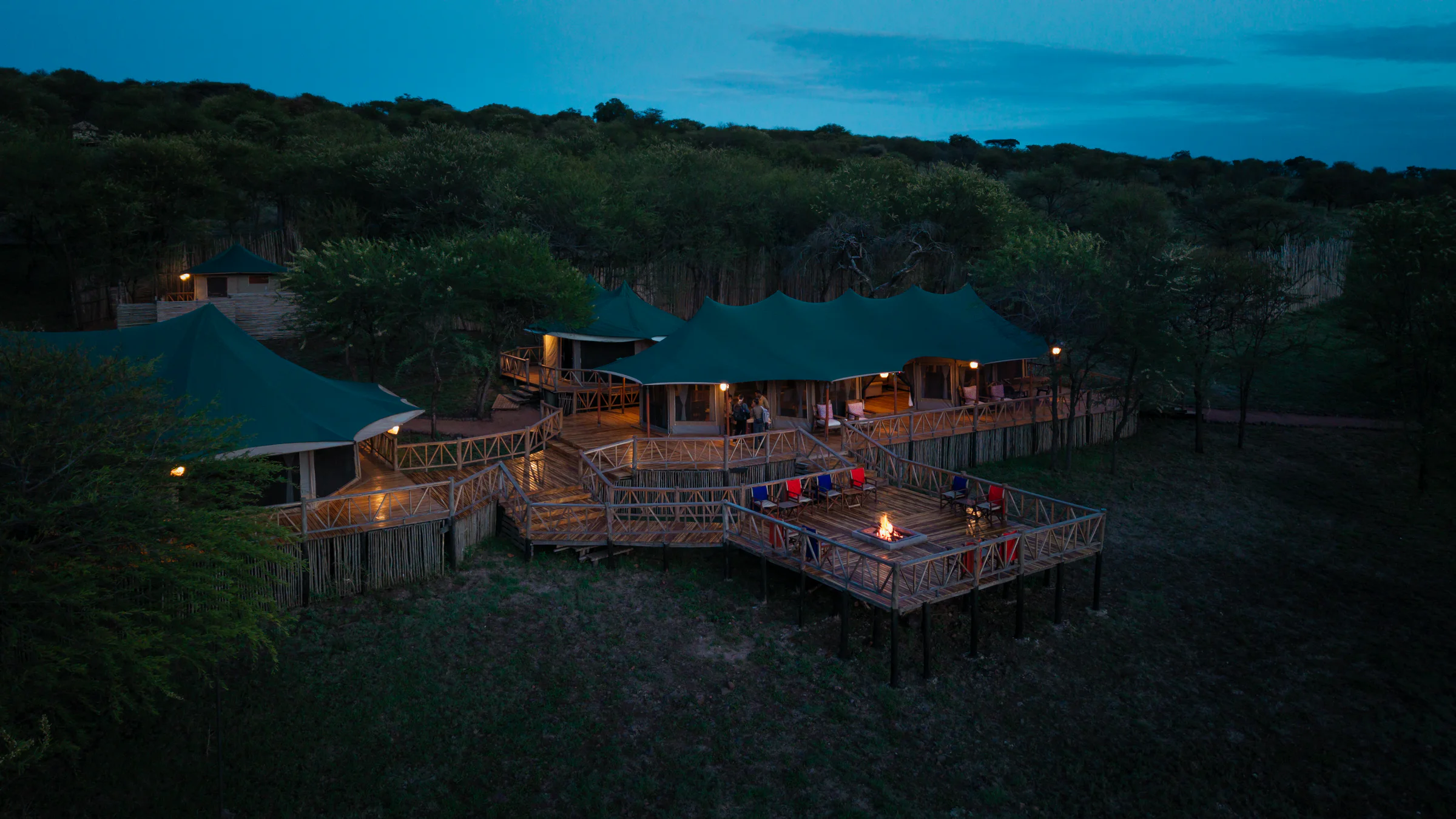
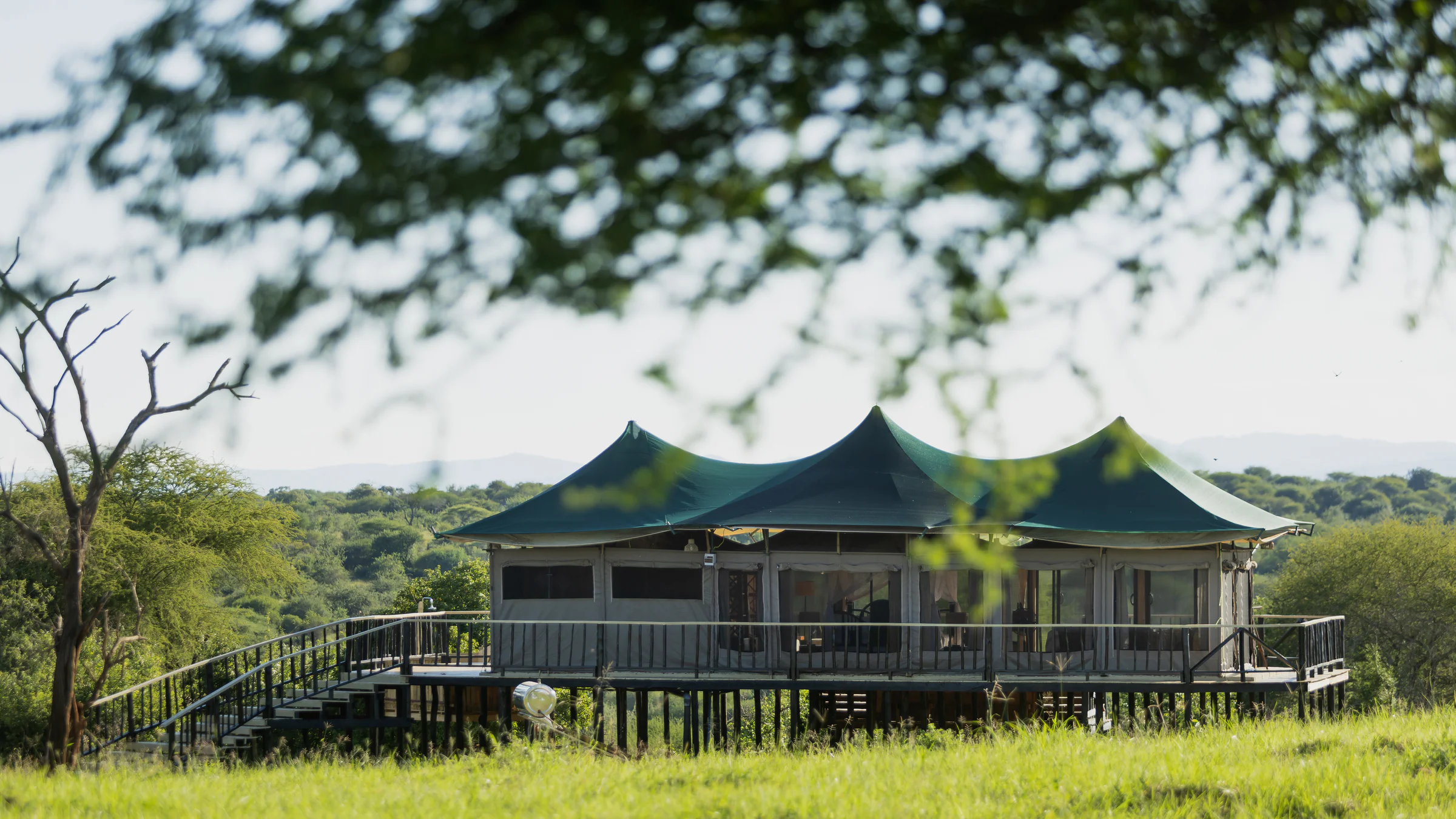
This is where most of our guests find their sweet spot. Properties like Enkirari Wilderness Camp in the Central Serengeti ($250–$325/night) and Naserian Safari Camp near Ngorongoro ($230–$380/night) deliver spacious canvas tents with en-suite bathrooms, hot showers, excellent food, and prime wildlife locations without the eye-watering luxury price tag.
Our Serian Tarangire Camp starts from just $221/night, making Tarangire National Park's legendary elephant herds accessible at a mid-range budget.
Luxury: Premium Lodges ($400–$700+/night)
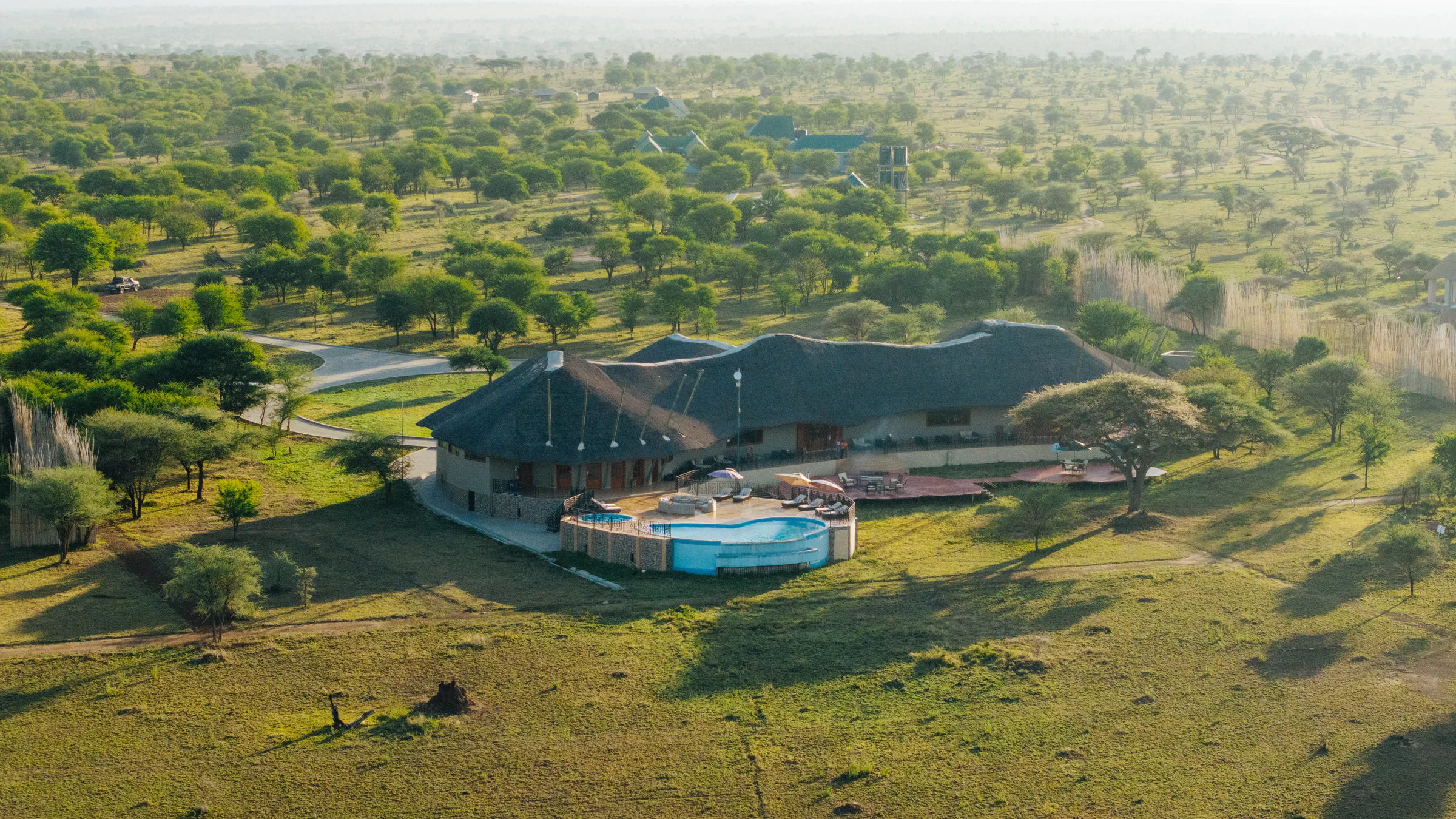
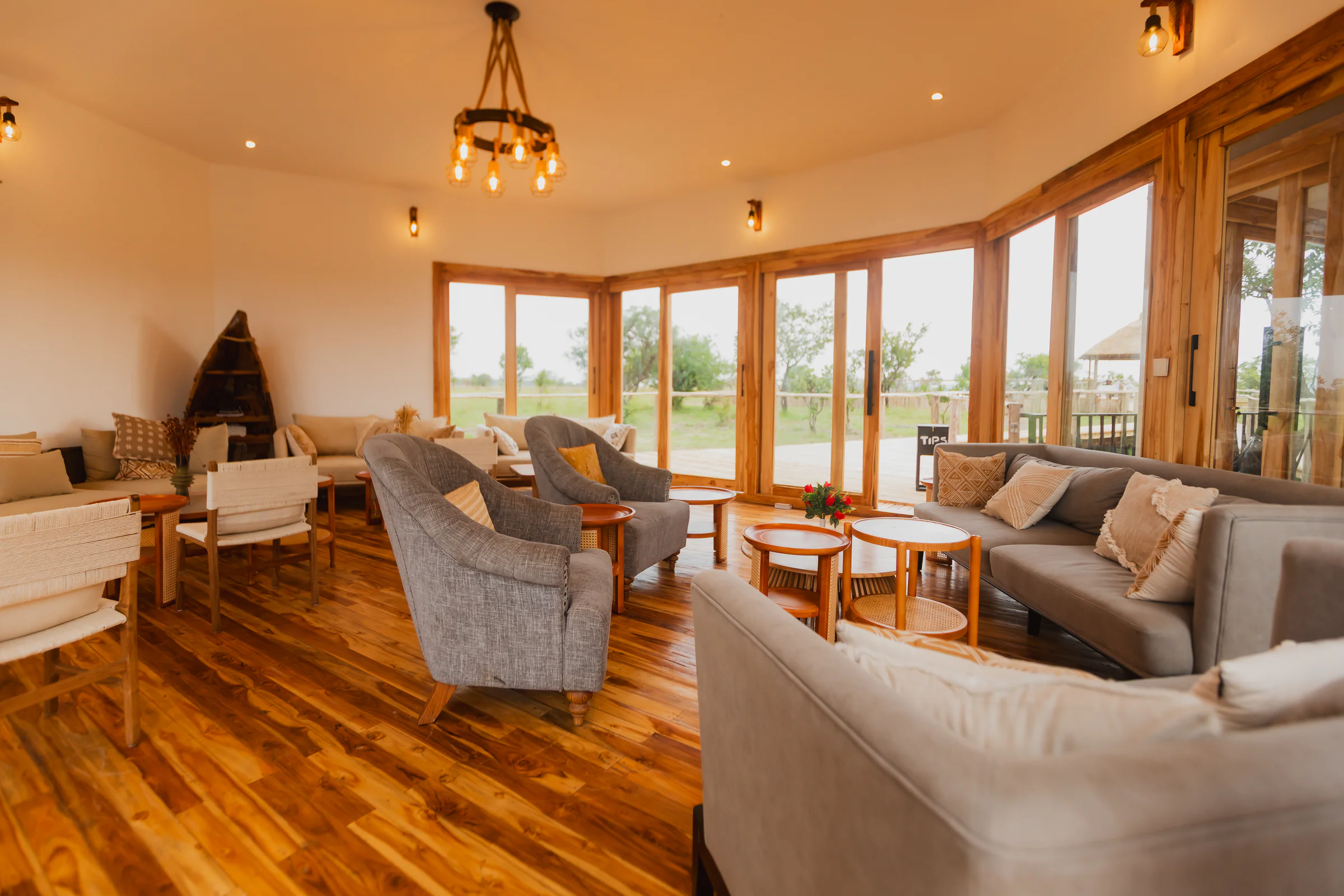
At the luxury end, properties like The Castle at Ngorongoro ($290–$480/night) and our eco-luxury flagship Olkarien Eco Safari Camp ($435–$474/night) in the Serengeti provide butler service, gourmet cuisine, premium wines, and exclusive game-viewing experiences with very few other vehicles around.
Ready to plan your safari? Get a free quote from our safari experts.
National Park Fees: The Non-Negotiable Cost
Every visitor to Tanzania's national parks pays entry fees set by TANAPA (Tanzania National Parks Authority). These are non-negotiable and identical regardless of your budget tier.
| Park | Adult (Non-Resident) | Child (5–15 years) |
|---|---|---|
| Serengeti | $60/day | $20/day |
| Ngorongoro Crater | $70/entry + $295 vehicle | $20/entry |
| Tarangire | $53/day | $18/day |
| Lake Manyara | $53/day | $18/day |
| Arusha National Park | $53/day | $18/day |
These fees are included in most safari packages, but always confirm with your operator. At Acacia Collections, all quoted prices include park fees so there are never hidden surprises.
Transport and Vehicle Costs
Getting around Tanzania's vast wilderness requires a reliable 4x4 vehicle and an experienced guide-driver. Transport costs depend on the type of safari:
- Group safari (6–8 pax): $40–$70 per person per day
- Private safari (2–4 pax): $80–$150 per person per day
- Fly-in safari: $200–$500 per person per flight leg
Most mid-range and luxury safaris include a private vehicle and guide. Our guides at Acacia Collections are certified TALA-licensed professionals who grew up in these ecosystems. They do not just drive — they track, interpret, and bring the bush to life.
International Flights
Return flights to Kilimanjaro International Airport (JRO) or Julius Nyerere Airport (DAR) vary enormously by origin and season:
| Origin | Low Season | High Season |
|---|---|---|
| USA (East Coast) | $800–$1,100 | $1,200–$1,800 |
| UK / Europe | $500–$750 | $800–$1,200 |
| Australia | $1,000–$1,400 | $1,500–$2,200 |
| Asia (Singapore/Mumbai) | $600–$900 | $900–$1,400 |
We recommend booking flights 4–6 months in advance for the best rates. Flying into Kilimanjaro (JRO) is ideal for Northern Circuit safaris as it puts you just 45 minutes from Arusha, the safari capital. Our Acacia Retreat in Arusha ($140–$220/night) is the perfect place to rest before your safari begins.
Ready to plan your safari? Get a free quote from our safari experts.
Tipping and Extras
Tipping is customary in Tanzania and an important part of your guide's and camp staff's income. Here are standard guidelines:
- Safari guide: $15–$25 per person per day
- Camp/lodge staff: $10–$15 per person per day (pooled tip box)
- Transfer drivers: $5–$10 per transfer
Other extras to budget for include travel insurance ($80–$200 for the trip), visa on arrival ($50), airport transfers ($30–$80), and any optional activities like walking safaris or cultural visits ($30–$80 each).
Sample Total Budgets for a 7-Day Safari
Let us put it all together. Here is what a 7-day Northern Circuit safari costs per person (excluding international flights):
| Component | Budget | Mid-Range | Luxury |
|---|---|---|---|
| Accommodation (7 nights) | $280–$560 | $1,050–$2,100 | $2,100–$4,900 |
| Park Fees | $420–$560 | $420–$560 | $420–$560 |
| Transport & Guide | $280–$490 | $420–$700 | $560–$1,050 |
| Meals | $105–$175 | Included | Included |
| Tips & Extras | $70–$140 | $140–$280 | $210–$420 |
| Total Per Person | $1,155–$1,925 | $2,030–$3,640 | $3,290–$6,930 |
Most of our guests at Acacia Collections fall into the mid-range category, spending $2,500–$3,500 per person for 7 days. This gets you private game drives, quality tented camps in prime locations, and excellent food — the ideal balance of comfort and value.
How to Save Money Without Sacrificing Quality
After years of designing safaris, here are our top tips for getting maximum value:
- Travel in green season (April–May): Rates drop 20–40% and the parks are empty. Wildlife is still excellent.
- Book a group departure: Sharing a vehicle cuts transport costs dramatically.
- Combine parks strategically: Tarangire + Ngorongoro + Serengeti covers the Big Five without excessive driving days.
- Stay at operator-owned camps: Properties like ours offer better rates because there is no middleman markup. Browse our safari tour packages for examples.
- Book early: We offer early-bird discounts for bookings made 6+ months in advance.
Hidden Costs to Watch For
Transparency matters to us. Here are costs that some operators bury in the fine print:
- Single supplement: Travelling solo? Expect 30–50% extra on accommodation.
- Crater fees: Ngorongoro Crater has a separate vehicle fee ($295) on top of entry fees.
- Balloon safaris: A magical experience over the Serengeti but costs $550–$650 per person.
- Premium zones: Some Serengeti zones have additional concession fees.
- Drinks: Budget and mid-range camps usually exclude alcohol and premium beverages.
At Acacia Collections, our quotes are all-inclusive with a detailed breakdown. No surprises, no hidden line items.
When to Book for the Best Rates
Timing your booking is almost as important as timing your trip. Tanzania safari rates fluctuate significantly throughout the year, and understanding the booking cycle can save you hundreds of dollars per person.
Peak season (July–October and late December–February) commands the highest rates. Camps fill months in advance, and last-minute availability is rare — especially at popular properties like those in the Central Serengeti and on the Ngorongoro Crater rim. For peak season travel, we strongly recommend booking 6–12 months ahead. Early-bird discounts of 5–10% are common for bookings confirmed more than 6 months out.
Shoulder season (June, November, early December, and March) offers a compelling middle ground. Rates are 10–20% lower than peak, availability is better, and the wildlife viewing is still excellent. These months are our personal favourites for recommending to first-time visitors.
Green season (April–May) is the budget traveller's best friend. Rates at our camps drop 20–40%, and some properties offer third-night-free promotions. The Serengeti and Ngorongoro are far from empty — resident wildlife is abundant year-round — but you may have game drives with almost no other vehicles in sight.
We also offer returning guest discounts and multi-trip loyalty pricing. If you have travelled with us before, or plan to book multiple trips (perhaps a family safari now and a honeymoon later), ask about our loyalty rates.
Why Book Direct with a Tanzania Operator
The safari industry has a complex chain of intermediaries — international travel agents, consolidators, and online platforms — each adding their margin. By the time a safari reaches you through two or three middlemen, the price can be 25–40% higher than the operator's direct rate.
Booking directly with a Tanzania-based operator like Acacia Collections offers several advantages beyond price:
- Better rates: No agent commissions mean lower prices for the same (or better) experience.
- Local expertise: We live and work in Tanzania. We know which roads are passable today, where the migration is this week, and which guide is best for your interests.
- Flexibility: Changes and customisations are easier when you are dealing directly with the people who run the camps and vehicles.
- Accountability: If anything goes wrong (a flat tyre, a camp change, a flight delay), we handle it directly with no phone-tag across time zones.
- Supporting local: Your money goes directly into the Tanzanian economy — employing local guides, staff, and communities rather than funding overseas marketing budgets.
Browse our safari tour packages to see our direct pricing, or contact us for a custom quote tailored to your dates, interests, and budget.
Payment and Currency Tips
Tanzania operates on Tanzanian Shillings (TZS), but the safari industry prices almost everything in US Dollars. Here are practical tips for managing money on safari:
- Safari packages: Always quoted and paid in USD. We accept bank transfers, credit cards (Visa/Mastercard with a small surcharge), and mobile money.
- Cash on safari: You will need very little cash during the safari itself — everything is included. Carry $200–$300 in small bills ($1, $5, $10, $20) for tips and any optional activities.
- ATMs: Available in Arusha and major towns but not in national parks. Withdraw what you need before departing for the bush.
- Credit cards: Accepted at some lodges and hotels in Arusha, but not at campsites or small shops. Do not rely on cards outside of major towns.
- US Dollar bills: Bring bills printed after 2013 — older bills are sometimes refused. Avoid $100 bills for small purchases as change can be an issue.
What Is Typically Included in a Safari Package
Understanding what is and is not included in a safari quote is essential to avoid sticker shock. Safari pricing can be confusing because different operators include different things. Here is what a standard all-inclusive Acacia Collections package covers:
Always Included
- All accommodation at the specified camps and lodges
- All meals (breakfast, lunch, dinner) from lunch on Day 1 to breakfast on the last day
- All national park entry fees and conservation fees
- Private 4x4 safari vehicle with pop-up roof
- Professional English-speaking guide for the entire trip
- All game drives as specified in the itinerary
- Airport transfers (Kilimanjaro Airport to Arusha and return)
- Drinking water, tea, and coffee throughout the safari
- Emergency evacuation insurance (AMREF Flying Doctors)
Usually Not Included
- International flights to and from Tanzania
- Tanzania visa on arrival ($50 for most nationalities)
- Travel and medical insurance (strongly recommended)
- Tips and gratuities for guides and camp staff
- Alcoholic beverages (included at some luxury properties)
- Optional activities: balloon safaris, walking safaris, cultural visits
- Personal expenses: laundry, souvenirs, phone calls
- Internal flights (e.g., Serengeti to Arusha or Zanzibar)
Always request a detailed breakdown from any operator you are considering. If the quote just shows a single lump sum without itemisation, that is a red flag. At Acacia Collections, every quote comes with a line-by-line breakdown so you know exactly where your money goes.
Cost by Trip Duration
While the daily rate gives a good indication of cost, the total trip price depends heavily on duration. Here is how different trip lengths compare:
| Duration | Best For | Mid-Range Total (pp) | Parks Covered |
|---|---|---|---|
| 3–4 days | Short break, first-timers | $1,200–$1,800 | Tarangire + Ngorongoro |
| 5–6 days | Good coverage, moderate budget | $1,800–$2,800 | Tarangire + Ngorongoro + Serengeti |
| 7–8 days | Comprehensive, most popular | $2,500–$3,800 | Full Northern Circuit |
| 10–12 days | Safari + Zanzibar beach | $3,500–$5,500 | Northern Circuit + Zanzibar |
| 14+ days | Southern Circuit add-on | $5,000–$8,000 | Northern + Southern or extended Serengeti |
The 7-day Northern Circuit safari is our most popular duration. It covers the three essential parks — Tarangire, Ngorongoro, and Serengeti — without feeling rushed. Check out our detailed 7-day itinerary guide for the full breakdown.
Shorter safaris (3–4 days) are ideal for travellers adding a safari to a broader East Africa trip or those with limited time. They focus on Tarangire and Ngorongoro, which are close to Arusha and deliver outstanding wildlife in a compact timeframe.
Longer trips (10+ days) allow you to add a Zanzibar beach extension, explore the less-visited Southern Circuit parks (Ruaha, Selous/Nyerere), or simply spend more quality time in the Serengeti. The per-day cost decreases slightly on longer trips as fixed costs (transfers, guide mobilisation) are spread over more days.
Frequently Asked Questions
Is a Tanzania safari worth the cost?
Absolutely. Tanzania offers arguably the greatest wildlife spectacle on Earth — the Great Migration, the Ngorongoro Crater, and the Serengeti ecosystem. The memories and experiences are genuinely life-changing, and costs compare favourably to other premium safari destinations like Botswana or Rwanda.
Can I do a Tanzania safari for under $1,500?
Yes, a 5–7 day budget camping safari focusing on Tarangire and Ngorongoro can come in under $1,500 per person. However, the experience is significantly more basic than mid-range options. We recommend budgeting at least $2,000 for a comfortable experience.
Are park fees included in safari package prices?
With reputable operators like Acacia Collections, yes. Always confirm this before booking. Park fees alone can total $400–$600 for a 7-day safari, so it makes a big difference.
How much should I tip on a Tanzania safari?
Plan for $25–$40 per person per day total, split between your guide and camp staff. Tips are discretionary but deeply appreciated and an important part of local incomes.
Is it cheaper to book a safari locally in Tanzania?
Booking directly with a Tanzania-based operator like Acacia Collections often gives you better rates than booking through international travel agents, who add 20–30% commission. Contact us directly for the best pricing.
Start planning your Tanzania safari
Our safari experts craft personalized itineraries for every interest and budget. Tell us what you are looking for.
Request a Free Quote